
Recovery Lifestyle: Why Building the Right Daily Habits Is Essential for Long-Term Addiction Recovery
Recovery Lifestyle: Why Building the Right Daily Habits Is Essential for Long-Term Addiction Recovery
Addiction recovery does not end when substance use stops. True healing happens when individuals intentionally build a recovery lifestyle, a way of living that supports sobriety, emotional wellness, and long-term stability. While treatment programs provide a critical foundation, it is the choices made every day afterward that determine whether recovery is sustained.
A recovery lifestyle goes beyond abstinence. It includes healthy routines, supportive relationships, emotional regulation, physical wellness, and purposeful living. Without these elements in place, even the strongest motivation can erode over time, increasing the risk of relapse.
In this blog, we’ll explore why cultivating a recovery lifestyle is so important, what it looks like in practice, and how small, consistent changes can support long-term addiction recovery.
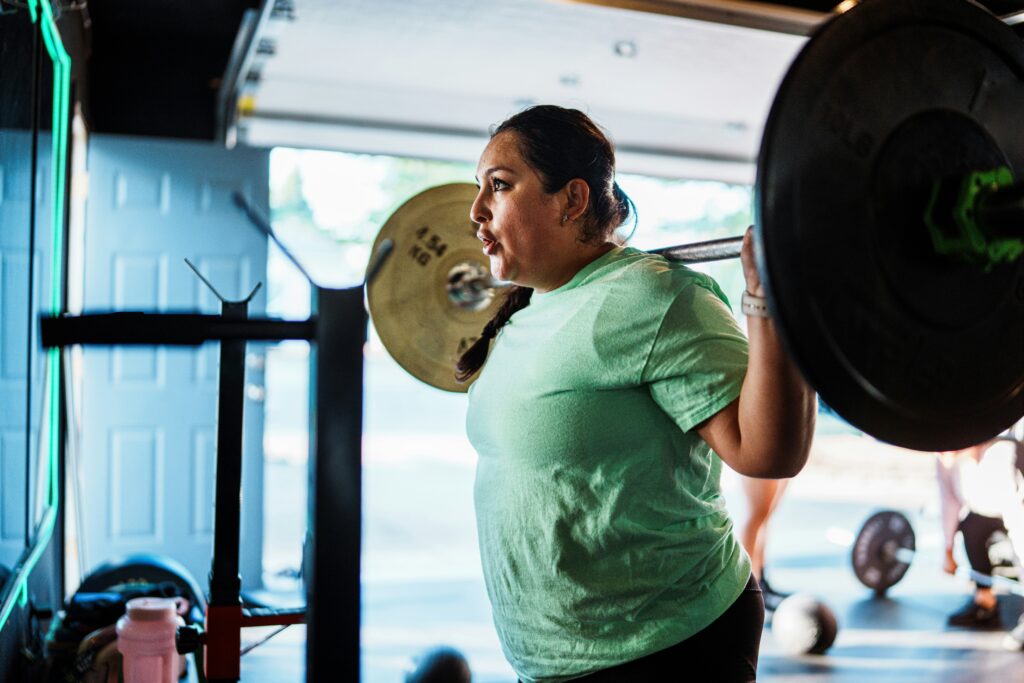
What Is a Recovery Lifestyle?
A recovery lifestyle is a daily structure that aligns with sobriety and overall wellness. It includes habits, behaviors, and environments that reduce relapse risk while promoting physical, emotional, and mental health.
Rather than focusing solely on what to avoid, a recovery lifestyle emphasizes what to build:
- Healthy routines for recovery
- Positive coping strategies
- Strong recovery support systems
- Purposeful activities and goals
- Ongoing self-care
Recovery thrives in environments that support growth. When life outside of treatment is chaotic, isolating, or overwhelming, sobriety becomes much harder to maintain. A recovery lifestyle creates balance, predictability, and resilience, all of which are key components of long-term recovery success.
Why Lifestyle Changes Matter in Addiction Recovery
Substance use often becomes intertwined with daily life including how a person copes with stress, socializes, manages emotions, and fills time. Without lifestyle changes, old triggers and patterns can resurface quickly.
Building a recovery lifestyle helps individuals:
- Prevent relapse through healthy routines
- Manage stress without substances
- Improve emotional regulation
- Strengthen mental health and self-esteem
- Create a sense of meaning and purpose
Recovery is not about perfection; it’s about progress. Even small lifestyle changes can significantly improve recovery outcomes when practiced consistently.
Establishing Healthy Routines for Recovery
One of the most important pillars of a recovery lifestyle is structure. Addiction thrives in chaos, while recovery thrives in routine.
Daily Habits That Support Sobriety
Healthy routines help regulate mood, reduce stress, and create stability. Examples include:
- Consistent sleep and wake times
- Balanced meals throughout the day
- Scheduled recovery meetings or therapy
- Time for exercise, reflection, or mindfulness
These habits may seem simple, but they play a powerful role in relapse prevention. Predictable routines reduce impulsivity and help individuals feel grounded during challenging moments.
Nutrition and Physical Wellness in a Recovery Lifestyle
Physical health is deeply connected to emotional and mental wellness. Substance use often depletes the body, disrupts sleep, and impacts overall health.
Nutrition and Recovery Wellbeing
A recovery lifestyle prioritizes nourishment, not restriction. Eating balanced meals helps:
- Stabilize blood sugar and mood
- Improve energy levels
- Support brain healing
- Reduce cravings
While there is no “perfect” recovery diet, focusing on whole foods, hydration, and regular meals can significantly improve daily functioning.
Exercise Routines for Addiction Recovery
Physical activity is another powerful recovery tool. Exercise:
- Reduces anxiety and depression
- Improves sleep quality
- Boosts confidence and motivation
- Releases natural endorphins
Whether it’s walking, yoga, strength training, or swimming, movement supports both physical and emotional recovery.

Managing Stress Without Substances
Learning how to cope with stress is essential to maintaining a recovery lifestyle. Stress is one of the most common relapse triggers, especially during early recovery.
Healthy Stress Management Strategies
- Mindfulness practices in recovery
- Deep breathing or meditation
- Journaling and reflection
- Time in nature
- Creative outlets
Rather than avoiding stress entirely, recovery teaches individuals how to respond to stress in healthier ways. Over time, these coping skills become second nature.
Building a Recovery Support System
No one recovers alone. A strong support system is a cornerstone of any successful recovery lifestyle.
How to Build a Recovery Support System
Support may include:
- Peer support groups
- Sponsors or recovery mentors
- Therapists or counselors
- Family members who respect boundaries
- Sober friends and communities
Community support networks for sobriety provide accountability, encouragement, and connection. Feeling understood and supported reduces isolation, which is a significant risk factor for relapse.
Creating a Recovery-Friendly Environment
Environment plays a powerful role in behavior. A recovery lifestyle includes making intentional changes to surroundings that support sobriety.
Creating a Recovery-Friendly Home
This may involve:
- Removing substances and triggers
- Establishing calm, organized spaces
- Setting boundaries with unhealthy relationships
- Limiting exposure to high-risk environments
A supportive environment reinforces healthy choices and reduces unnecessary temptation.
Emotional Wellness and Mental Health in Recovery
Addiction often masks underlying emotional pain. A recovery lifestyle makes space for emotional healing rather than avoidance.
Emotional Regulation in Sobriety
Developing emotional awareness helps individuals:
- Identify triggers
- Respond rather than react
- Communicate needs effectively
- Practice self-compassion
Mental health and addiction recovery are closely linked. Addressing anxiety, depression, trauma, or stress through therapy and ongoing support strengthens long-term recovery outcomes.
Purpose, Meaning, and Motivation in Long-Term Recovery
Recovery is more sustainable when life feels meaningful. A recovery lifestyle includes identifying purpose beyond sobriety alone.
Ways to Stay Motivated in Long-Term Recovery
- Setting short- and long-term goals
- Exploring hobbies or interests
- Volunteering or giving back
- Pursuing education or career growth
Purpose creates motivation. When individuals feel connected to something larger than themselves, recovery becomes something to protect—not something to endure.
Relapse Prevention Through Lifestyle Changes
Relapse prevention is not about fear, it’s about preparation. A recovery lifestyle proactively addresses risks before they become crises.
Preventing Relapse Through Lifestyle Changes
Protective factors include:
- Consistent routines
- Ongoing recovery support
- Healthy stress management
- Regular self-check-ins
- Willingness to ask for help
Relapse does not mean failure, but lifestyle stability can significantly reduce its likelihood and severity.
Progress Over Perfection: Embracing Growth in Recovery
A recovery lifestyle is not about doing everything “right.” It’s about showing up consistently, even on difficult days.
Recovery includes setbacks, learning curves, and growth. Practicing patience and self-forgiveness allows individuals to keep moving forward rather than giving up.

How Treatment and Aftercare Support a Recovery Lifestyle
Treatment programs lay the groundwork, but aftercare planning ensures continued success. Aftercare may include:
- Outpatient programs
- Ongoing therapy
- Sober living environments
- Alumni support networks
Long-term recovery support bridges the gap between structured treatment and independent living, helping individuals maintain their recovery lifestyle beyond initial care.
Final Thoughts: Recovery Is a Way of Life
A recovery lifestyle is not something achieved overnight, it is built day by day through intentional choices, supportive habits, and meaningful connections. When recovery becomes woven into daily life, sobriety is no longer just a goal; it becomes a natural outcome of how life is lived.
By prioritizing wellness, structure, emotional health, and community, individuals can create a life that not only supports recovery, but makes it worth protecting.
If you or a loved one are navigating addiction recovery, remember: lasting recovery isn’t just about stopping substance use. It’s about building a lifestyle that helps you thrive.

Ready to Build a Recovery Lifestyle That Lasts?
Creating a recovery lifestyle doesn’t happen by accident. It takes guidance, structure, and the right support system.
If you or someone you love is struggling with addiction, you don’t have to navigate recovery alone. Professional treatment can provide the tools, education, and accountability needed to build healthy routines, strengthen coping skills, and lay the foundation for long-term sobriety.
At Oasis Recovery Center, recovery is about more than detox or abstinence. It’s about learning how to live again, how to manage stress without substances, build meaningful relationships, and create daily habits that support both mental and physical wellness.
Through individualized care, therapy, and aftercare planning, you can begin developing a recovery lifestyle that supports lasting change.
Whether you’re taking your first step toward treatment or seeking continued support after previous care, reaching out can make all the difference.
Our recovery programs are designed to meet you where you are, offering compassionate guidance and evidence-based care tailored to your unique needs. With the right help, it’s possible to move beyond survival and begin building a life rooted in stability, purpose, and hope.
If you’re ready to learn more about treatment options, recovery support services, or aftercare programs, now is the time to take action. A healthier future starts with one conversation, and that conversation could be today.
Contact our admissions team to speak confidentially with a recovery specialist, ask questions, and explore the next steps toward a recovery lifestyle that truly supports your well-being. Help is available, and recovery is possible.
Call us today. You deserve a life that supports your sobriety, not one that constantly challenges it. Let today be the day you begin building a recovery lifestyle that lasts.