
Finding Purpose and Friendship: How You Can Build a Community in Recovery
Addiction thrives in isolation. Recovery, on the other hand, grows through connection. For individuals navigating substance use recovery, learning how to build a community is not just helpful—it is essential. Community provides accountability, encouragement, understanding, and a sense of belonging that many people lose during active addiction.
At Oasis Recovery Center, we believe recovery is not meant to be done alone. While clinical treatment, therapy, and education are critical components of healing, long-term sobriety is often sustained through meaningful relationships. This is why helping individuals build a community is a core part of the recovery process.
In this article, we’ll explore why community matters so deeply in addiction recovery, how isolation fuels relapse, and practical ways to build a community that supports lasting change.

Addiction and Isolation Go Hand in Hand
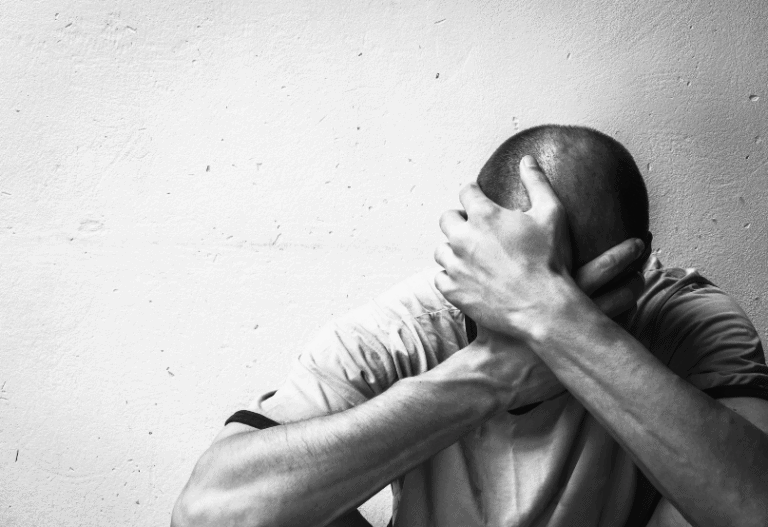
Substance use disorders often develop and worsen in isolation. Many people struggling with addiction withdraw from loved ones, hide their behaviors, or feel disconnected due to shame and guilt. Over time, addiction replaces relationships, priorities, and identity.
This isolation creates fertile ground for relapse. Without connection, individuals lack external support during moments of stress, temptation, or emotional pain. That’s why one of the first and most important steps in recovery is to build a community that encourages honesty, growth, and accountability.
Community helps break the cycle of secrecy that addiction depends on. When people feel seen and supported, they are more likely to stay engaged in recovery and reach out when they need help.
Why It’s Essential to Build a Community in Recovery
1. Community Reduces Relapse Risk
One of the strongest predictors of long-term sobriety is social support. Studies consistently show that individuals who build a community during recovery are less likely to relapse than those who try to do it alone.
When cravings arise or stress levels spike, community provides immediate access to encouragement and perspective. Whether it’s a peer, sponsor, therapist, or sober friend, having someone to call can make the difference between a setback and continued progress.
2. Shared Experience Creates Understanding
People in recovery often feel misunderstood by those who haven’t experienced addiction. When you build a community of others who have walked a similar path, you gain a level of understanding that can’t always be replicated elsewhere.
Shared experience reduces shame and normalizes the challenges of recovery. Hearing others talk openly about cravings, triggers, and setbacks helps individuals feel less alone—and more hopeful.
3. Community Builds Accountability
Accountability is a cornerstone of recovery. When individuals build a community, they create a network of people who notice changes in behavior, celebrate milestones, and gently intervene when something feels off.
Knowing that others care about your progress can be a powerful motivator. Accountability isn’t about pressure—it’s about support, structure, and shared commitment to growth.
4. You Relearn How to Trust and Be Trusted
Addiction often damages trust—both with others and with oneself. Recovery offers an opportunity to rebuild that trust, and community plays a vital role in that process.
As individuals build a community, they practice honesty, vulnerability, and reliability. Over time, these experiences help restore self-confidence and strengthen interpersonal skills that are essential for a healthy, sober life.
How Community Supports Mental and Emotional Healing
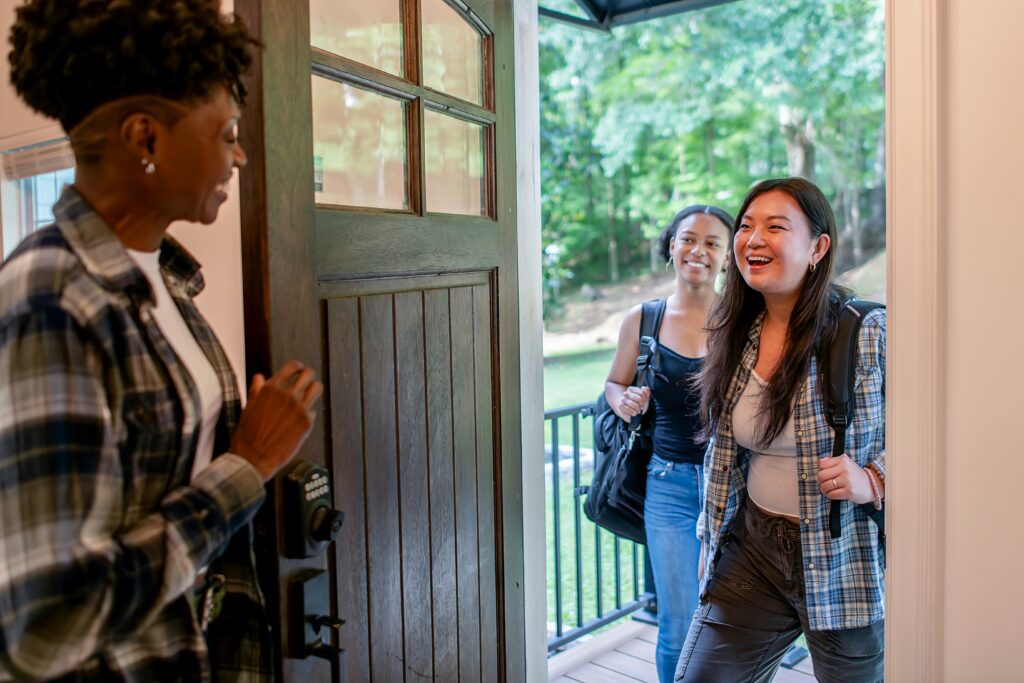
Addiction is rarely just about substances. It is often tied to trauma, anxiety, depression, grief, or unresolved emotional pain. While therapy addresses these issues clinically, community provides emotional reinforcement between sessions.
When individuals build a community, they gain safe spaces to express emotions, process experiences, and receive encouragement during difficult moments. Emotional regulation improves when people feel supported rather than isolated.
Community also helps combat loneliness—one of the most common relapse triggers. Human connection is not a luxury in recovery; it’s a necessity.
Different Types of Recovery Communities
There is no single way to build a community in recovery. In fact, most people benefit from multiple layers of support. Below are common ways individuals build a community during and after treatment.
1. Peer Support Groups
12-step programs, SMART Recovery, and other peer-based groups offer structured opportunities to build a community. These groups provide regular meetings, shared language, and collective accountability.
Attending meetings consistently allows individuals to form relationships that extend beyond formal gatherings, creating a dependable support network.
2. Treatment-Based Communities
Programs like those at Oasis Recovery Center are designed to foster connection among peers. Group therapy, shared activities, and alumni programs all help individuals build relationships rooted in recovery.
These environments make it easier to build a community because everyone shares a common goal: sustained sobriety and personal growth.
3. Family and Loved Ones
Recovery often involves rebuilding or redefining relationships with family members and close friends. When healthy boundaries are established, loved ones can become a vital part of a recovery community.
Learning how to communicate needs, set expectations, and ask for support allows individuals to build a community that includes trusted people from their personal lives.
4. Sober Living and Recovery Housing
Sober living environments provide daily opportunities to practice recovery skills while living alongside others who are committed to sobriety. These settings naturally encourage individuals to build a community through shared responsibility and mutual support.
How to Build a Community After Treatment
Leaving treatment can feel overwhelming, especially if recovery support was built into daily programming. However, community does not end at discharge—it evolves. Here are practical steps to continue to build a community after treatment.
Stay Consistent With Support
Consistency matters more than intensity. Attending one meeting a week, checking in with a sponsor, or participating in alumni events helps maintain connection. Over time, these habits strengthen community ties.
Be Willing to Reach Out
Building community requires vulnerability. Reaching out—especially when it feels uncomfortable—is often where the deepest connections are formed. Recovery teaches that asking for help is a strength, not a weakness.
Get Involved in Service
Service is a powerful way to build a community while reinforcing purpose. Volunteering, mentoring others in recovery, or participating in group activities strengthens bonds and fosters a sense of belonging.
Explore New Interests
Recovery is about building a life, not just avoiding substances. Joining fitness groups, creative classes, or faith-based communities can help individuals build a community aligned with their values and interests.
Barriers to Building Community—and How to Overcome Them
It’s normal to face challenges when trying to build a community in recovery. Fear of judgment, social anxiety, or past relationship trauma can make connection feel risky.
At Oasis Recovery Center, we encourage individuals to approach community gradually. Trust builds over time, and it’s okay to move at your own pace. Recovery is not about perfection—it’s about progress.
Common barriers include:
- Fear of vulnerability
- Shame from past behavior
- Difficulty trusting others
- Introversion or social anxiety
With patience and support, these barriers can be overcome. Each step toward connection is a step toward healing.
Why Oasis Recovery Center Emphasizes Community
At Oasis Recovery Center, we understand that treatment is only the beginning. Our programs are designed to help individuals not only achieve sobriety but also build a community that sustains recovery long after formal treatment ends.
Through group therapy, peer connection, alumni involvement, and aftercare planning, we help clients develop the tools and relationships needed for long-term success. Recovery is stronger when it’s shared.
Build a Community, Build a Life in Recovery
Sobriety is not just about removing substances—it’s about adding connection, purpose, and support. When individuals build a community, they create a foundation for resilience, accountability, and growth.
No one recovers alone. Whether you are early in your journey or seeking renewed support, building a community can transform recovery from a daily struggle into a shared path forward.
If you or a loved one is ready to take the next step and build a community that supports lasting recovery, Oasis Recovery Center is here to help.

Ready to Build a Community That Supports Lasting Recovery?
Recovery doesn’t have to be a lonely journey. If you or someone you love is struggling with substance use, now is the time to build a community that encourages healing, accountability, and long-term sobriety.
At Oasis Recovery Center, we understand that true recovery is about more than stopping substance use—it’s about creating meaningful connections that support a healthier, more fulfilling life.
Our comprehensive treatment programs are designed to help individuals build a community from the very first day of care.
Through group therapy, peer support, individualized treatment planning, and ongoing aftercare, clients are surrounded by people who understand their challenges and believe in their ability to recover. This sense of belonging can make all the difference when motivation feels low or obstacles arise.
At Oasis Recovery Center, we don’t believe in a one-size-fits-all approach. We take the time to understand each person’s story, goals, and needs so we can help them build a community that truly supports their recovery journey.
Whether that includes peer groups, alumni connections, family involvement, or sober living resources, our team works closely with every client to create a strong, sustainable support system.
If you’ve tried to recover on your own and felt isolated, discouraged, or overwhelmed, you’re not alone—and you don’t have to stay that way. Recovery thrives in connection, and the right community can provide hope, encouragement, and accountability when it’s needed most.
Taking the first step can feel intimidating, but reaching out is often the moment recovery begins. When you choose Oasis Recovery Center, you’re choosing a team that is committed to helping you build a community rooted in compassion, understanding, and lasting change.
Call Oasis Recovery Center today to speak with a caring admissions specialist, or reach out online to learn more about our treatment options. Let us help you take the next step toward recovery—and toward a community that will support you every step of the way.