What Is a Trap House? Understanding the Impact of Addiction on Living Conditions
When people ask, “what is a trap house?” they’re often thinking of a place associated with drug use, neglect, and unsafe conditions. But behind that label is a deeper, more human story—one that involves struggle, pain, and the overwhelming impact addiction can have on a person’s life.
At Oasis Recovery Center, we believe it’s important to approach this topic with empathy and understanding. Addiction doesn’t just affect a person’s physical and mental health—it can also impact their environment, relationships, and ability to care for themselves and their surroundings.
In this blog, we’ll explore what is a trap house, how addiction contributes to these environments, and how recovery can help individuals rebuild not only their lives but also their sense of safety and stability.
What Is a Trap House?
To fully understand the issue, we first need to answer the question: what is a trap house?
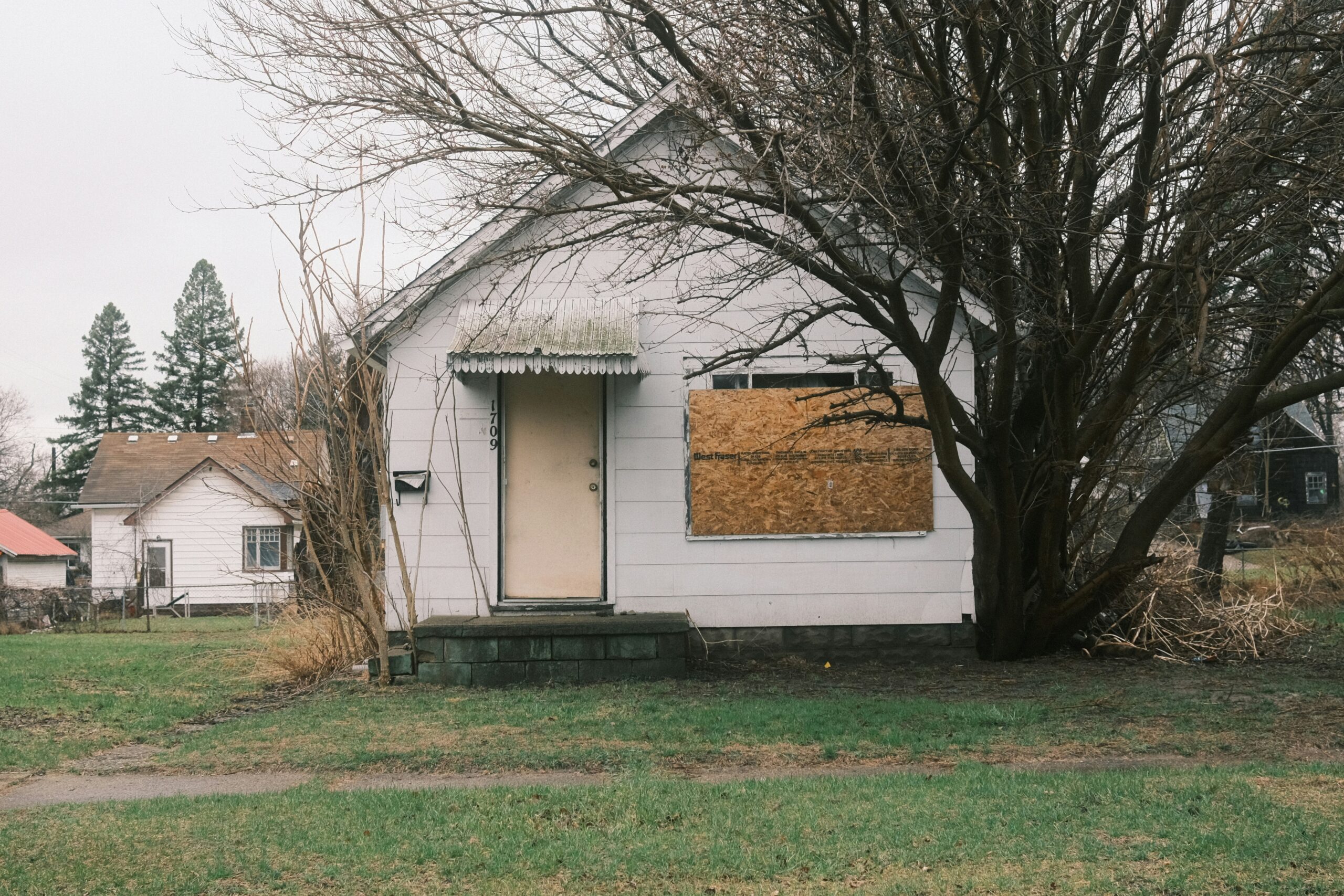
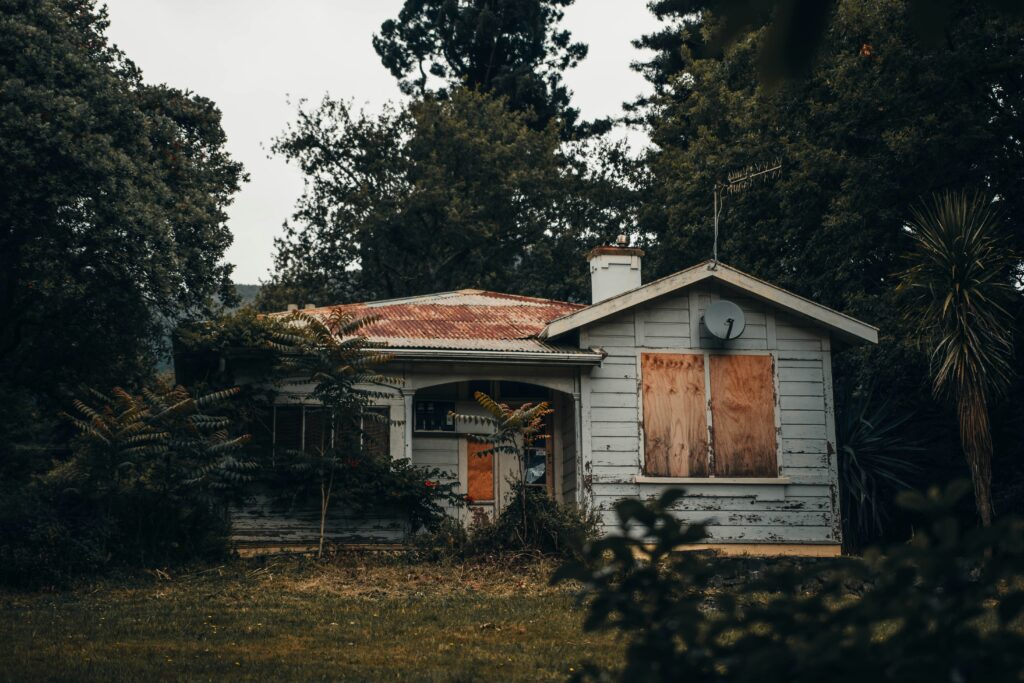
A “trap house” is a slang term used to describe a residence where drugs are used, sold, or stored. These environments are often characterized by:
- Poor sanitation and hygiene
- Clutter, disorganization, or hoarding
- Frequent foot traffic from strangers
- Unsafe or deteriorating living conditions
- A lack of structure or routine
While the term can carry stigma, it’s important to remember that a trap house is not just a place—it’s often a reflection of the chaos and instability that addiction creates in a person’s life.
The Connection Between Addiction and Living Conditions
When discussing what is a trap house, it’s essential to understand how addiction can lead to the creation of these environments.
Addiction is a complex disease that affects the brain’s reward system, decision-making abilities, and motivation. Over time, individuals struggling with substance use may begin to prioritize obtaining and using drugs or alcohol over basic needs like:
- Cleaning and maintaining their home
- Paying bills or rent
- Preparing meals
- Practicing personal hygiene
As addiction progresses, daily responsibilities can feel overwhelming or even impossible. What may start as small neglect—like dishes piling up or laundry going undone—can gradually escalate into unsafe and unhealthy living conditions.
How a Trap House Develops Over Time
Understanding what is a trap house also means recognizing that these environments don’t appear overnight. They often develop gradually as addiction deepens.
1. Loss of Routine
One of the first signs of addiction’s impact is a disruption in routine. Regular habits—cleaning, organizing, maintaining a schedule—begin to fall away.
2. Isolation
Many individuals struggling with addiction withdraw from friends, family, and support systems. This isolation can lead to a lack of accountability and support, allowing living conditions to deteriorate further.
3. Prioritization of Substance Use
As substance use becomes the primary focus, maintaining a clean and safe environment becomes less important. Resources—both financial and emotional—are redirected toward sustaining the addiction.
4. Increased Traffic and Risk
In some cases, the home may become a place where others come to use or obtain substances. This can increase chaos, introduce unsafe individuals, and further contribute to the instability of the environment.
The Emotional Reality Behind a Trap House
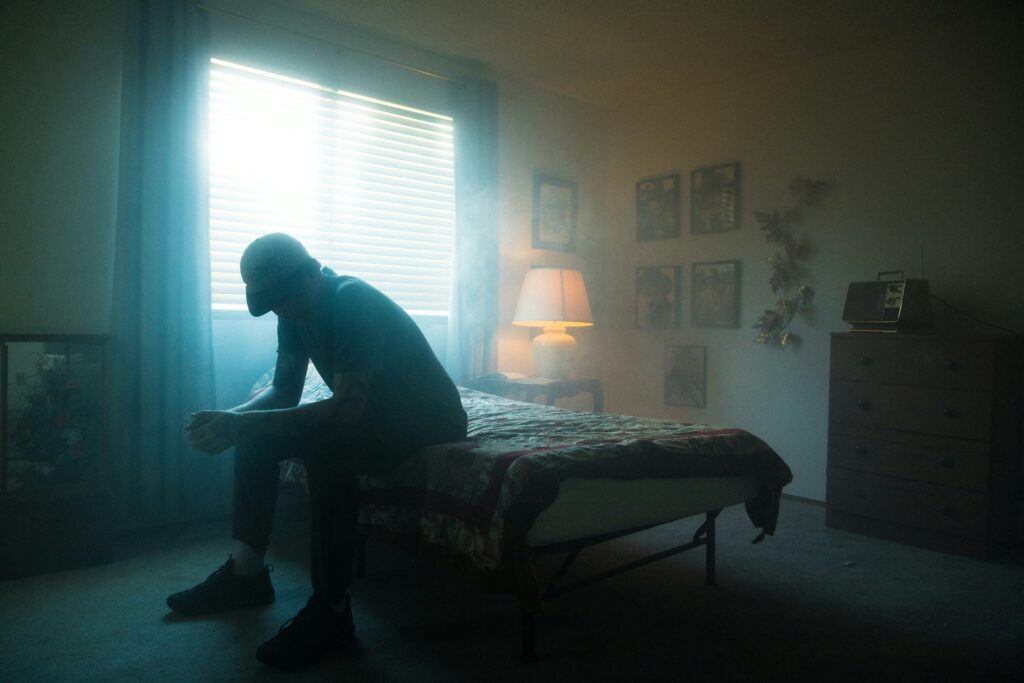
When asking what is a trap house, it’s easy to focus on the physical aspects. But the emotional and psychological reality is just as important.
Many individuals living in these conditions experience:
- Shame and embarrassment
- Depression or anxiety
- Feelings of hopelessness
- A sense of being “stuck”
These emotions can create a cycle that reinforces the environment. For example, someone may feel too ashamed to invite help or too overwhelmed to begin cleaning or making changes.
At Oasis Recovery Center, we recognize that these feelings are not a sign of failure—they are symptoms of a deeper struggle that deserves compassion and support.
The Health and Safety Risks
Another critical aspect of understanding what is a trap house is recognizing the risks involved.
Physical Health Risks
- Exposure to mold, bacteria, and pests
- Poor nutrition and dehydration
- Increased risk of illness or infection
Mental Health Risks
- Heightened anxiety and depression
- Increased feelings of isolation
- Cognitive decline due to substance use
Safety Concerns
- Fire hazards or structural damage
- Violence or theft due to frequent visitors
- Legal consequences related to drug activity
These risks highlight the urgency of addressing both the addiction and the environment simultaneously.
Breaking the Cycle: How Recovery Helps
The good news is that change is possible. Understanding what is a trap house is only the first step—recovery offers a path forward.
At Oasis Recovery Center, we focus on helping individuals rebuild every aspect of their lives, including their living environment.
1. Restoring Routine and Structure
Recovery programs help individuals re-establish daily routines, which can include:
- Cleaning and organizing their space
- Setting achievable goals
- Creating a sense of stability
2. Addressing Underlying Causes
Addiction is often rooted in deeper issues such as trauma, mental health conditions, or chronic stress. By addressing these underlying factors, individuals can begin to heal and regain control.
3. Building Life Skills
Many people benefit from learning or relearning essential life skills, including:
- Time management
- Financial responsibility
- Healthy habits and self-care
4. Reconnecting with Support Systems
Recovery encourages individuals to rebuild relationships with family, friends, and supportive communities. This connection can provide accountability and encouragement during the healing process.

Reclaiming Your Space and Your Life
For those wondering what is a trap house, it’s important to recognize that it does not define a person—it reflects a moment in time during a difficult struggle.
Recovery is about more than stopping substance use. It’s about reclaiming your space, your health, and your sense of self.
Simple steps can make a meaningful difference:
- Starting with one small cleaning task
- Opening windows for fresh air
- Asking for help from a trusted person
- Creating a plan for gradual improvement
These small actions can build momentum and restore a sense of control.
How Loved Ones Can Help
If you’re supporting someone and asking what is a trap house in the context of a loved one’s situation, your role is incredibly important.
Here are a few ways to help:
Lead with Compassion
Avoid judgment or criticism. Instead, approach the situation with understanding and empathy.
Offer Practical Support
Helping with cleaning, organizing, or connecting them to resources can make a big difference.
Encourage Professional Help
Recovery programs provide the structure and support needed to address both addiction and its effects.
Set Healthy Boundaries
While support is important, it’s also essential to protect your own well-being.
Moving Forward with Hope
So, what is a trap house? It’s more than a physical space—it’s a reflection of how deeply addiction can impact a person’s life. But it’s also something that can change.
With the right support, individuals can move from chaos to stability, from isolation to connection, and from survival to healing.
At Oasis Recovery Center, we believe that everyone deserves a safe, healthy environment—and the opportunity to rebuild their life with dignity and hope.
You’re Not Alone
If you or someone you love is struggling with addiction and living conditions have become overwhelming, help is available.
You don’t have to navigate this alone.
Recovery is possible. Healing is possible. And a safe, stable home is within reach.
Ready to Take the First Step?
Contact Oasis Recovery Center today to learn how our compassionate, evidence-based programs can help you or your loved one begin the journey toward lasting recovery.

Take the First Step Toward a Healthier, Safer Life
If you’ve found yourself wondering what is a trap house because it reflects your current living situation—or the situation of someone you love—know this: you are not alone, and this does not have to be your future.
Addiction has a way of slowly taking over every aspect of life. What may begin as occasional substance use can gradually impact your health, relationships, and even your environment. If your surroundings have become overwhelming, unsafe, or unrecognizable, it’s not a sign of failure—it’s a sign that support is needed.
At Oasis Recovery Center, we understand that healing goes far beyond stopping substance use. It’s about rebuilding your life from the inside out. That includes restoring your sense of stability, creating a safe and healthy living environment, and rediscovering the confidence to care for yourself again.
Our compassionate, experienced team is here to walk alongside you every step of the way. Through personalized treatment plans, evidence-based therapies, and a supportive community, we help you address the root causes of addiction while building the tools needed for lasting recovery.
Imagine waking up in a space that feels calm, clean, and safe. Imagine having the energy and clarity to take care of yourself and your surroundings. That transformation is possible—and it starts with one simple step.
Whether you’re reaching out for yourself or someone you love, Oasis Recovery Center offers a welcoming, judgment-free environment where healing can begin. You deserve a life that feels stable, supported, and full of hope.
Don’t wait for things to get worse before seeking help. The sooner you take action, the sooner you can begin creating meaningful change.
Contact Oasis Recovery Center today or call us to speak with a member of our team, verify your insurance, and explore treatment options tailored to your needs. Your path to recovery—and a healthier, safer future—starts right here.