

Opiate Withdrawal Timeline: What to Expect During Detox and Early Recovery
When someone is physically dependent on opiates or opioids, stopping suddenly can feel overwhelming.
The body and brain have adjusted to the presence of these substances, and when they are removed, withdrawal symptoms can begin. For many people, understanding the opiate withdrawal timeline can reduce fear, prepare them for what may happen next, and help them recognize why professional support matters.
At Oasis Recovery Center, we understand that withdrawal is not only physical. It can also be emotional, mental, and deeply personal. Many people who want to stop using opiates worry about pain, cravings, anxiety, sleeplessness, and whether they will be able to make it through detox. These concerns are valid, but no one should have to face withdrawal alone.
While every person’s experience is different, the opiate withdrawal timeline often follows a general pattern. Symptoms may begin within hours after the last use, peak over the next few days, and gradually improve with time.
However, the exact timeline depends on the type of opioid used, how long someone has been using, dosage, overall health, mental health, and whether medical detox support is available.

What Is the Opiate Withdrawal Timeline?
The opiate withdrawal timeline refers to the stages the body goes through after a person stops or significantly reduces opiate or opioid use. Withdrawal happens because the nervous system has become used to the effects of these substances. Once the drug is no longer present, the body must work to rebalance itself.
Although many people use the terms “opiate” and “opioid” interchangeably, there is a slight difference. Opiates traditionally refer to substances derived from the opium poppy, such as morphine and codeine.
Opioids is a broader term that includes natural, semi-synthetic, and synthetic substances, such as heroin, oxycodone, hydrocodone, fentanyl, and methadone. In everyday conversation, “opiate withdrawal” is often used to describe withdrawal from many opioid substances.
The opiate withdrawal timeline is not the same for everyone. Short-acting opioids, such as heroin or some prescription pain pills, may cause withdrawal symptoms sooner. Long-acting opioids, such as methadone, may take longer to leave the body, meaning withdrawal symptoms may begin later and last longer.
When Do Opiate Withdrawal Symptoms Start?
For many short-acting opioids, withdrawal symptoms may begin within 6 to 24 hours after the last use. Early symptoms may feel like restlessness, anxiety, sweating, muscle aches, runny nose, watery eyes, and intense cravings. These symptoms can be uncomfortable and may become stronger over time.
For long-acting opioids, symptoms may not begin for 24 to 72 hours after the last dose. This delay can sometimes make people think they are not going to experience withdrawal, only for symptoms to appear later. Because of this, the opiate withdrawal timeline should always be viewed as a general guide rather than an exact prediction.
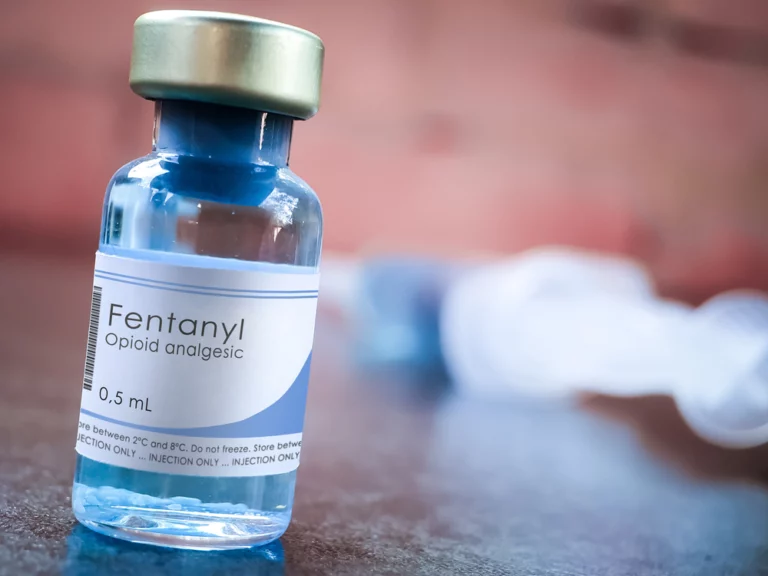
Fentanyl and other synthetic opioids can make withdrawal more complicated. Because fentanyl is highly potent and may interact with the body differently than other opioids, some individuals may experience intense symptoms, unpredictable cravings, or challenges during early detox. This is one reason medically supervised detox can be so important.
What Happens During the First 24 Hours of Opiate Withdrawal?
During the first 24 hours, the body begins reacting to the absence of opiates or opioids. This early stage can feel like anxiety, agitation, body discomfort, and a strong urge to use again. Many people describe this stage as feeling like the flu mixed with emotional distress.
Common early symptoms may include:
- Restlessness
- Sweating
- Muscle aches
- Yawning
- Runny nose
- Watery eyes
- Trouble sleeping
- Irritability
- Anxiety
- Cravings
This stage of the opiate withdrawal timeline can be mentally challenging because symptoms may build quickly. Cravings can become intense, especially if someone has tried to quit before and remembers how uncomfortable withdrawal can feel. Without support, this is often when people return to use simply to stop the discomfort.
At Oasis Recovery Center, our approach recognizes that early withdrawal requires compassion, stabilization, and support. Detox is not about judging someone for their symptoms. It is about helping the body and mind move through the process as safely as possible.
When Does Opiate Withdrawal Peak?
For many short-acting opioids, withdrawal symptoms often peak within the first 48 to 72 hours. This is commonly the most intense part of the opiate withdrawal timeline. During this stage, physical symptoms may become stronger, and emotional symptoms may feel more difficult to manage.
Peak withdrawal symptoms may include:
- Nausea
- Vomiting
- Diarrhea
- Stomach cramps
- Chills
- Sweating
- Dilated pupils
- Increased heart rate
- Body aches
- Insomnia
- Anxiety
- Depression
- Irritability
- Strong cravings
This stage can feel exhausting. Some people may feel physically weak, emotionally drained, and unsure if they can continue. However, this peak period does not last forever. With medical support, hydration, monitoring, and emotional care, many people are able to move through this stage more safely and with less fear.
For long-acting opioids, the peak may happen later. Symptoms may build more slowly and last longer. This is why it is important to avoid comparing one person’s detox experience to another’s. The opiate withdrawal timeline depends on many factors, and each person deserves individualized care.

How Long Does the Opiate Withdrawal Timeline Last?
For short-acting opioids, acute withdrawal symptoms often last around 5 to 10 days. For long-acting opioids, symptoms may last 10 days or longer and can sometimes continue for several weeks. The most intense physical symptoms usually improve first, while sleep issues, mood changes, fatigue, and cravings may take longer to resolve.
A general opiate withdrawal timeline may look like this:
6 to 24 hours after last use: Early symptoms may begin, including cravings, anxiety, sweating, yawning, and muscle aches.
Days 2 to 4: Symptoms often peak. Nausea, vomiting, diarrhea, insomnia, chills, and intense cravings may occur.
Days 5 to 7: Physical symptoms may begin to improve for many people using short-acting opioids, though fatigue and emotional discomfort may remain.
Days 8 to 14: Many acute symptoms continue to ease, but sleep problems, mood changes, and cravings may still appear.
Weeks after detox: Some individuals experience lingering symptoms such as anxiety, depression, low motivation, sleep disruption, or cravings. This is sometimes referred to as post-acute withdrawal.
It is important to remember that detox is only the first step. Once the acute opiate withdrawal timeline has passed, continued treatment can help address the deeper emotional, behavioral, and psychological patterns connected to addiction.
What Symptoms Can Appear During Opiate Withdrawal?
Opiate withdrawal can affect the entire body. Symptoms may be physical, emotional, and psychological. While withdrawal is different for everyone, many people experience a combination of discomfort, cravings, mood changes, and sleep disruption.
Physical Symptoms of Opiate Withdrawal
Physical symptoms may include muscle aches, nausea, vomiting, diarrhea, sweating, chills, runny nose, watery eyes, stomach cramps, tremors, and fatigue. These symptoms can be difficult to manage without support, especially if someone becomes dehydrated or unable to rest.
Emotional Symptoms of Opiate Withdrawal
Emotional symptoms may include anxiety, irritability, sadness, hopelessness, mood swings, panic, and intense cravings. For individuals with a history of trauma, depression, or anxiety, withdrawal can feel especially overwhelming. This is why detox should include emotional support, not just physical monitoring.
Sleep and Craving Symptoms
Insomnia is very common during the opiate withdrawal timeline. Many people struggle to fall asleep or stay asleep, even when they feel physically exhausted. Cravings may also come in waves and can be triggered by stress, pain, memories, or fear of continued discomfort.
Why Is Medical Detox Recommended for Opiate Withdrawal?
Medical detox is recommended because withdrawal can be unpredictable, uncomfortable, and emotionally intense. While some people attempt to detox at home, this can increase the risk of dehydration, relapse, overdose, and emotional crisis. When tolerance decreases after a period without opioids, returning to the same amount previously used can increase the risk of overdose.
Medical detox provides structure and support during a vulnerable stage of recovery. Depending on the individual’s needs, medical professionals may monitor vital signs, provide hydration support, address nausea or sleep issues, help manage cravings, and determine whether medications for opioid use disorder may be appropriate.
The goal of detox is not simply to “get through” withdrawal. The goal is to help individuals begin recovery with dignity, safety, and a stronger foundation for ongoing care.
At Oasis Recovery Center, we believe that addiction recovery should be compassionate and individualized. Many people arrive feeling ashamed, afraid, or physically exhausted. Our role is to provide support that helps them feel seen, stabilized, and ready for the next stage of healing.

What Helps Make the Opiate Withdrawal Timeline Safer?
The opiate withdrawal timeline can be safer and more manageable with professional support. A supportive detox environment can help reduce the isolation and fear that often come with withdrawal.
Helpful components of withdrawal support may include:
- Medical assessment before detox begins
- Monitoring during acute withdrawal
- Support for hydration and nutrition
- Help managing nausea, diarrhea, sleep problems, and body aches
- Emotional support for anxiety, depression, and cravings
- A calm, structured environment
- Planning for continued addiction treatment after detox
- Support for co-occurring mental health concerns
Nutrition, hydration, rest, and emotional reassurance also play an important role. During withdrawal, the body is under stress. Gentle support can help the nervous system begin to regulate again.
What Happens After the Opiate Withdrawal Timeline Ends?
Once acute withdrawal symptoms improve, many people feel relieved. However, this is also a critical time in recovery. Detox helps clear substances from the body, but it does not fully address the reasons someone began using opiates or opioids in the first place.
After detox, continued treatment may include therapy, group support, relapse prevention planning, trauma-informed care, medication-assisted treatment when appropriate, holistic therapies, and life skills support. These services can help individuals better understand their triggers, rebuild trust in themselves, and develop healthier coping strategies.
At Oasis Recovery Center, we focus on whole-person healing. Recovery is not just about stopping substance use. It is about helping individuals reconnect with themselves, repair relationships, build structure, and find meaning in life beyond addiction.
How Can Oasis Recovery Center Help With Opiate Withdrawal and Recovery?
Oasis Recovery Center provides compassionate addiction treatment services for individuals navigating substance use, withdrawal, and early recovery. We understand that the opiate withdrawal timeline can feel intimidating, especially for someone who has tried to stop before and struggled with symptoms or relapse.
Our team offers supportive, individualized care designed to meet each person where they are. We recognize that recovery is not one-size-fits-all. Some people need help stabilizing after withdrawal. Others need deeper therapeutic support for trauma, anxiety, depression, chronic relapse, or family challenges. Many need both.
Through evidence-based care, holistic support, and a compassionate treatment environment, Oasis Recovery Center helps individuals move beyond survival and begin building a meaningful recovery.
If you or someone you love is worried about the opiate withdrawal timeline, you do not have to navigate this process alone. Support is available, and recovery can begin with one honest conversation. Contact Oasis Recovery Center or give our team a call today.

FAQ: Opiate Withdrawal Timeline
How long does the opiate withdrawal timeline last?
The opiate withdrawal timeline can vary depending on the type of opioid used, how long a person has been using, dosage, overall health, and whether professional detox support is available. For many short-acting opioids, acute symptoms may last 5 to 10 days. For long-acting opioids, symptoms may last longer.
When are opiate withdrawal symptoms the worst?
Opiate withdrawal symptoms are often most intense around days 2 to 4 for short-acting opioids. This is when nausea, vomiting, diarrhea, body aches, insomnia, anxiety, and cravings may peak. Long-acting opioids may peak later and last longer.
Can opiate withdrawal be dangerous?
Opiate withdrawal can be physically and emotionally difficult. While withdrawal itself is often not fatal, complications such as dehydration, relapse, overdose risk, and mental health distress can make it dangerous without support. Medical detox can help reduce these risks.
Is it safe to detox from opiates at home?
Detoxing from opiates at home is not recommended for many people, especially those with long-term opioid use, fentanyl use, co-occurring mental health concerns, medical issues, or a history of relapse. A medically supervised detox environment can provide monitoring, comfort support, and a safer transition into recovery.
What helps with opiate withdrawal symptoms?
Medical care, hydration, rest, nutrition, emotional support, and professional treatment planning can help during the opiate withdrawal timeline. Some individuals may also benefit from medications for opioid use disorder or other supportive medications as determined by a medical provider.
What happens after opiate detox?
After opiate detox, continued treatment is strongly recommended. Detox helps the body stabilize, but therapy, relapse prevention, support groups, mental health care, and long-term recovery planning help address the root causes of addiction and reduce the risk of relapse.