
Family Therapy: Healing Relationships While Navigating Addiction Recovery
Family Therapy: Healing Relationships While Navigating Addiction Recovery
February is often associated with love, connection, and relationships. With Valentine’s Day at its center, the month invites reflection on how we show care for others—and how we receive it in return.
For individuals navigating addiction recovery, this time of year can bring up complex emotions surrounding family, romantic partners, and strained relationships.
Healing doesn’t happen in isolation, and for many, family therapy plays a critical role in rebuilding trust, strengthening communication, and creating a supportive foundation for long-term recovery.
At Oasis Recovery Center, we believe recovery is not just about the individual—it’s about healing the entire system surrounding them. Family therapy offers a structured, compassionate space to repair relationships impacted by addiction while supporting lasting change.
The Impact of Addiction on Family Relationships
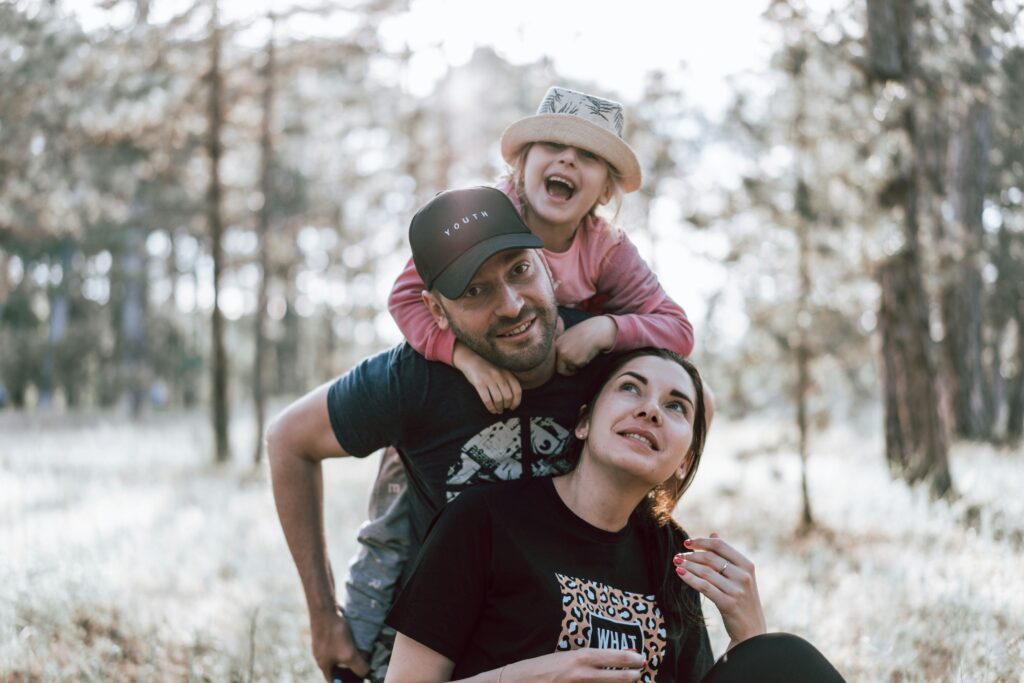
Addiction is often described as a “family disease,” because its effects ripple outward, touching spouses, parents, children, siblings, and extended family members. Over time, substance use can strain even the strongest relationships.
Common challenges families face include:
- Broken trust due to dishonesty or relapse
- Communication breakdowns marked by conflict or avoidance
- Emotional wounds, including resentment, guilt, or shame
- Role confusion, such as children taking on caregiver roles
- Codependency or enabling behaviors
These patterns can persist even after someone enters treatment. Without intentional healing, unresolved family dynamics may continue to undermine recovery efforts. This is where family therapy becomes a powerful tool.
What Is Family Therapy in Addiction Recovery?
Family therapy is a therapeutic approach that involves loved ones in the recovery process. Rather than placing blame on one individual, family therapy examines how relationships, communication styles, and shared behaviors influence addiction and recovery.
In the context of addiction treatment, family therapy aims to:
- Improve communication and emotional understanding
- Address unhealthy dynamics that contribute to substance use
- Rebuild trust and accountability
- Establish healthy boundaries
- Educate families about addiction as a disease
At Oasis Recovery Center, family therapy is designed to meet families where they are—offering guidance, empathy, and practical tools to support healing together.

Why Family Therapy Is Essential for Long-Term Recovery
While individual therapy helps a person understand their own behaviors and triggers, family therapy addresses the environment they will return to after treatment. Recovery does not happen in a vacuum, and family involvement significantly improves outcomes.
1. Strengthening Support Systems
Recovery thrives on connection. When families learn how to support their loved one in healthy ways—without enabling or judgment—they become a vital source of encouragement and accountability.
2. Reducing Relapse Risk
Unresolved family conflict is a common relapse trigger. Family therapy helps identify stressors and develop strategies for managing conflict without returning to substance use.
3. Promoting Mutual Healing
Addiction affects everyone involved. Family therapy acknowledges the pain experienced by loved ones and creates space for their healing as well—not just the person in recovery.
February, Valentine’s Day, and Reflecting on Relationships
Valentine’s Day isn’t only about romantic love—it’s about connection, care, and emotional honesty. For individuals and families in recovery, February can be an ideal time to reflect on what healthy relationships truly look like.
For some, Valentine’s Day highlights what feels broken. For others, it represents hope for reconnection. Family therapy helps transform this reflection into meaningful action by fostering:
- Honest conversations about hurt and healing
- Repaired bonds built on accountability and compassion
- New relationship patterns rooted in trust and respect
Recovery offers an opportunity to redefine love—not as perfection, but as commitment, growth, and shared effort.

Healing Trust Through Family Therapy
Trust is often one of the most damaged elements in families affected by addiction. Loved ones may struggle to believe promises or feel safe emotionally.
Family therapy helps rebuild trust by:
- Encouraging consistent, transparent communication
- Teaching accountability without shame
- Setting realistic expectations for healing timelines
- Allowing family members to express pain in a structured, safe setting
Trust isn’t rebuilt overnight, but family therapy provides the framework for steady, meaningful progress.
Improving Communication Skills Within the Family
Many families enter treatment cycles stuck in unhealthy communication patterns—yelling, blaming, withdrawing, or avoiding difficult topics altogether. Family therapy introduces new ways of interacting that promote understanding rather than conflict.
Families learn how to:
- Listen without interrupting or becoming defensive
- Express emotions without accusations
- Validate each other’s experiences
- Address concerns before they escalate
These skills are essential not just during treatment, but throughout long-term recovery.
Setting Healthy Boundaries That Support Recovery
Boundaries are a critical part of healing relationships affected by addiction. Without them, families may unintentionally enable behaviors that undermine recovery.
Through family therapy, loved ones learn how to:
- Support recovery without controlling outcomes
- Say “no” without guilt
- Respect personal responsibility and independence
- Protect their own emotional well-being
Healthy boundaries create clarity and safety for everyone involved—and they are an act of love, not rejection.
Family Therapy and Romantic Relationships
Romantic relationships are often deeply impacted by addiction. Partners may experience betrayal, fear, or emotional distance. Valentine’s Day can magnify these feelings.
Family therapy can help couples:
- Process relationship trauma related to substance use
- Rebuild intimacy through honesty and consistency
- Establish shared recovery goals
- Learn how to navigate triggers together
Healing romantic relationships in recovery takes time, but family therapy offers guidance and structure along the way.
How Oasis Recovery Center Approaches Family Therapy
At Oasis Recovery Center, we understand that every family dynamic is unique. Our family therapy approach is compassionate, evidence-based, and tailored to each client’s needs.
Our program emphasizes:
- Education about addiction and recovery
- Trauma-informed therapeutic practices
- Inclusion of family members when appropriate
- Long-term relationship repair—not quick fixes
We believe involving families in the recovery process strengthens outcomes and creates lasting change beyond treatment.
Rebuilding Love, One Step at a Time
Recovery is an act of love—love for oneself and for the people who matter most. February serves as a powerful reminder that healing relationships is possible, even after years of pain.
Through family therapy, individuals and families can:
- Let go of resentment and shame
- Reconnect through empathy and understanding
- Build healthier, more resilient relationships
- Move forward together with hope
Healing doesn’t mean forgetting the past—it means learning from it and choosing a different future.
Moving Forward Together
If you or someone you love is struggling with addiction, you don’t have to navigate recovery alone. Family therapy offers a pathway toward healing not just the individual, but the relationships that sustain long-term sobriety.
At Oasis Recovery Center, we are committed to helping individuals and families rebuild trust, strengthen bonds, and create a supportive environment for lasting recovery. This February—during a season focused on love—consider taking the first step toward healing together.
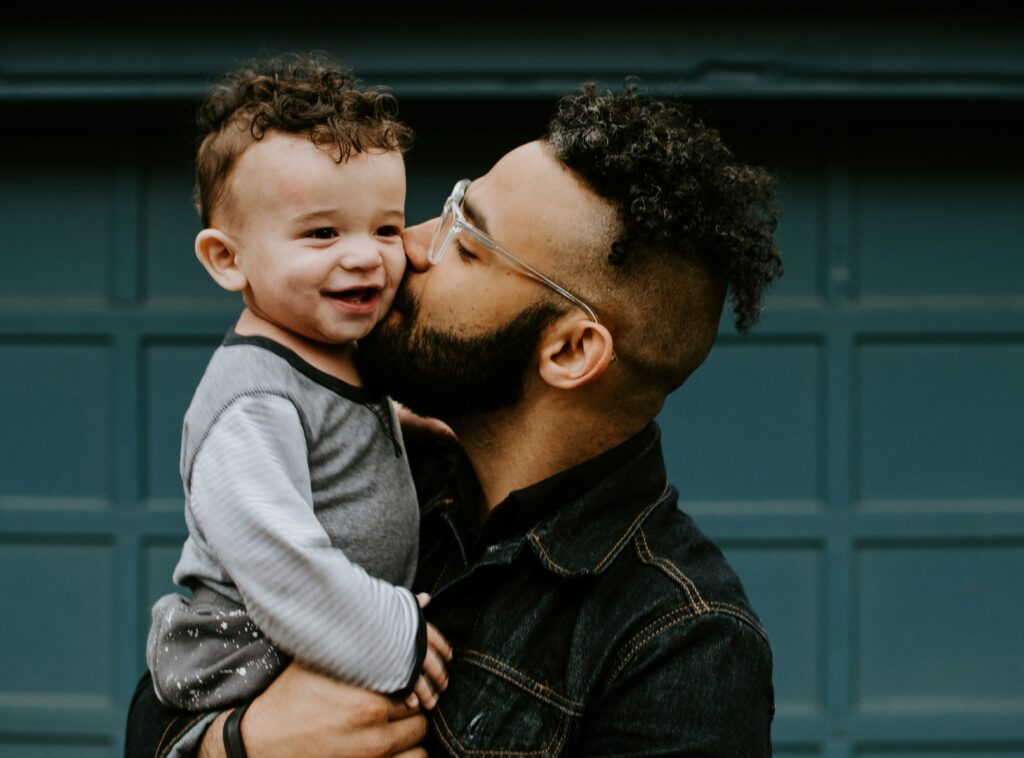
Take the First Step Toward Healing Together
Healing from addiction is not something that happens in isolation—it happens in relationship. If you or someone you love is struggling, now may be the right time to seek support that addresses not only substance use, but the relationships impacted along the way.
Family therapy can be a powerful step toward rebuilding trust, restoring communication, and creating a healthier path forward—for everyone involved.
At Oasis Recovery Center, we understand how deeply addiction affects families. Our comprehensive treatment programs are designed to support both individuals and their loved ones through every stage of recovery.
By incorporating family therapy into the treatment process, we help clients and families move beyond blame and pain toward understanding, connection, and lasting healing.
February—often associated with love and reflection—can be a meaningful time to prioritize the relationships that matter most.
Whether you’re seeking to repair trust with a partner, reconnect with family members, or learn healthier ways to support a loved one in recovery, Oasis Recovery Center provides a safe, compassionate space to begin that work.
Our experienced clinical team takes a personalized approach to care, recognizing that no two families are the same. Through education, therapeutic guidance, and evidence-based practices, we help families develop the tools needed to support recovery long after treatment ends. The goal isn’t perfection—it’s progress, honesty, and sustainable change.
If you’re ready to explore how family therapy can support healing and long-term recovery, we’re here to help. Reaching out may feel overwhelming, but one conversation can open the door to hope, clarity, and renewed connection.
Contact Oasis Recovery Center today or give our dedicated team a call to learn more about our treatment programs and how family therapy can play a role in rebuilding relationships affected by addiction. Together, we can help you and your loved ones take the next step toward healing—side by side.