
Anhedonia After Addiction: Why Joy Can Feel Difficult in Early Recovery
Many people expect sobriety to bring an immediate sense of happiness, relief, and excitement. When those feelings do not appear right away, they may wonder whether recovery is working.
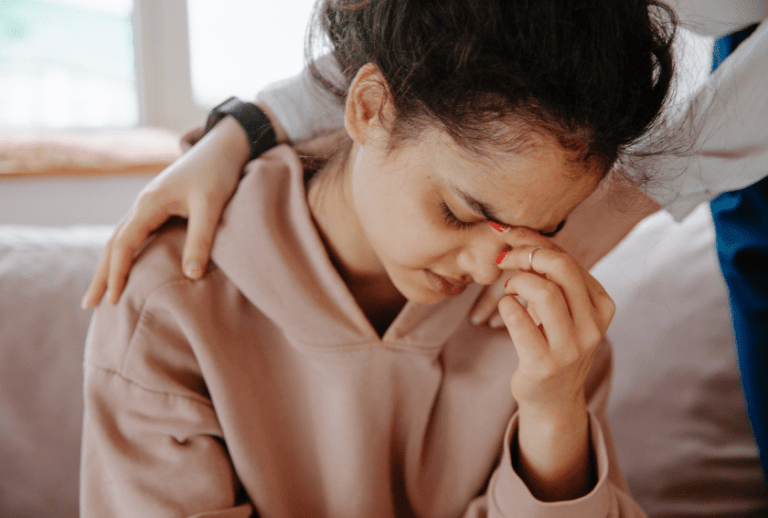
Instead of feeling hopeful, everyday activities can seem dull. Favorite music may no longer feel meaningful. Spending time with friends may feel exhausting. Hobbies, exercise, food, work, and personal accomplishments may provide little satisfaction.
This experience may be a sign of anhedonia after addiction.
People searching for “ahedonia after addiction” are typically referring to anhedonia, which means a reduced ability to feel pleasure or interest. Anhedonia can occur during early recovery, but it can also be connected to depression, trauma, stress, or other mental health conditions.
Experiencing anhedonia after addiction does not mean that someone is incapable of happiness or that recovery will always feel empty. It may indicate that the mind and body need time, consistency, and professional support to heal.
At Oasis Recovery Center, we help individuals move beyond substance use while rebuilding connection, purpose, emotional awareness, and a meaningful recovery lifestyle.
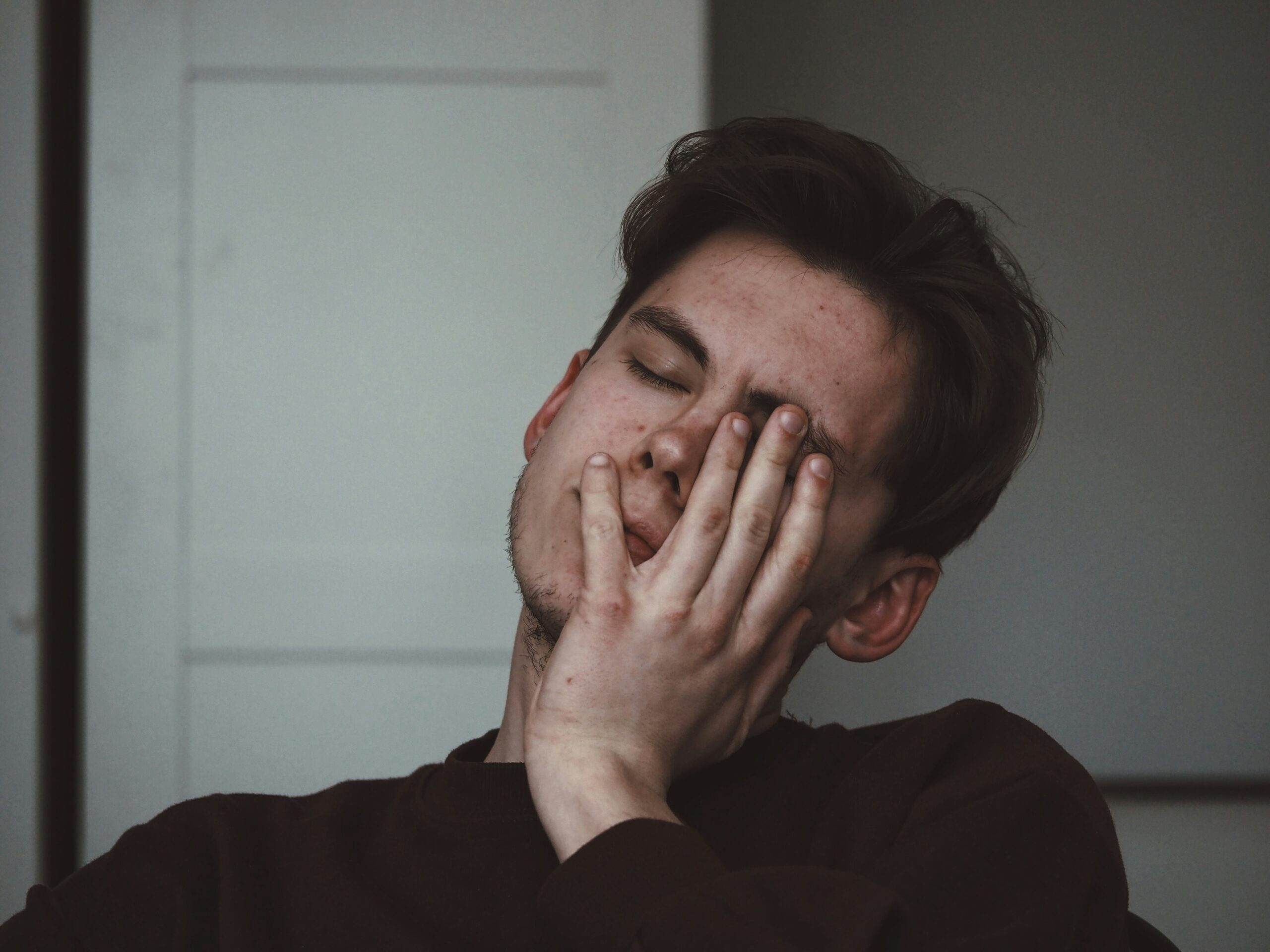
What Is Anhedonia After Addiction?
Anhedonia after addiction is a reduced ability to experience pleasure, enjoyment, or interest in activities that would normally feel rewarding. It is commonly associated with depression, but it can also appear in people with substance use disorders and during periods of withdrawal or early abstinence.
Anhedonia after addiction may affect someone’s ability to enjoy:
- Spending time with friends or family
- Listening to music
- Eating favorite foods
- Exercising
- Engaging in hobbies
- Dating or physical affection
- Reaching personal goals
- Participating in recovery activities
- Planning for the future
Researchers sometimes distinguish between two aspects of anhedonia after addiction. Anticipatory anhedonia involves difficulty looking forward to an experience, while consummatory anhedonia involves difficulty enjoying an activity while it is happening.
For example, someone may assume that attending a recovery event will feel pointless and decide not to go. Another person may attend the event but struggle to feel connected or satisfied while there.
Both experiences can make early recovery feel discouraging.
Why Can Anhedonia Develop After Addiction?
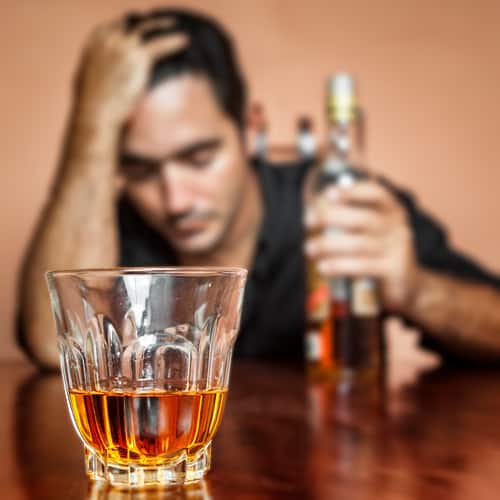
Substance use can affect the brain systems involved in reward, motivation, learning, stress, and emotional regulation. Over time, repeated exposure to drugs or alcohol may make substance-related rewards feel increasingly important while ordinary sources of pleasure receive less attention.
This process is more complex than simply having “low dopamine.” Multiple brain circuits, neurotransmitters, emotional experiences, behaviors, and environmental factors influence a person’s ability to anticipate and experience reward. Addiction can disrupt pathways involved in reward, self-control, motivation, and emotional functioning.
When substance use stops, the brain does not necessarily return to its previous patterns immediately. Activities that once felt enjoyable may seem less intense when compared with the powerful or rapid effects associated with drugs or alcohol.
Anhedonia after addiction may also be influenced by:
- Acute or prolonged withdrawal symptoms
- Sleep disruption
- Physical exhaustion
- Chronic stress
- Social isolation
- Shame or grief
- Depression
- Anxiety
- Post-traumatic stress
- Loss of substance-using friendships or routines
- Lack of structure and meaningful activities
For some people, anhedonia existed before addiction and contributed to substance use. For others, it becomes more noticeable during withdrawal or early recovery. It may also reflect a combination of preexisting mental health concerns and changes associated with prolonged substance use.
What Does Anhedonia in Early Recovery Feel Like?
Anhedonia after addiction is not always experienced as intense sadness. Some people describe it as emotional numbness, boredom, disconnection, or the feeling that nothing matters.
Someone experiencing anhedonia after addiction may say:
- “I know I should be happy, but I feel nothing.”
- “Everything feels boring without substances.”
- “I do not look forward to anything.”
- “I feel disconnected from the people around me.”
- “I have no motivation to start my day.”
- “The activities I used to enjoy feel like work.”
- “I thought sobriety would feel better than this.”
- “I cannot imagine enjoying life again.”
Anhedonia after addiction may also appear through behavior. A person might stop responding to friends, remain in bed for long periods, skip therapy assignments, abandon hobbies, or avoid trying new activities because they assume nothing will help.
These behaviors can be misinterpreted as laziness, negativity, or resistance to recovery. In reality, the person may be struggling to anticipate a positive outcome from their effort.

Which Substances Are Associated With Anhedonia After Addiction?
Research has identified elevated anhedonia after addiction in people with several types of substance use disorders, although the experience varies considerably among individuals.
Anhedonia after addiction has been studied in connection with alcohol, opioids, stimulants, cannabis, nicotine, and polysubstance use. One study comparing substance use disorders found a particularly strong association between opioid use disorder and anhedonia after addiction, although mood disorders and post-traumatic stress disorder were also strongly associated with these symptoms.
Stimulant withdrawal can be especially associated with exhaustion, low motivation, depressed mood, and reduced interest in normal activities. Someone who has become accustomed to intense stimulation from cocaine or methamphetamine may find ordinary experiences less engaging during early recovery.
People recovering from opioid use may also experience emotional discomfort, reduced motivation, and difficulty experiencing pleasure. Research involving individuals with opioid use disorder suggests that anhedonia after addiction may become more severe during frequent use and decrease with prolonged abstinence, although recovery does not follow an identical pattern for everyone.
The substance involved is only one part of the picture. Mental health, trauma history, physical health, environment, sleep, relationships, and access to meaningful support can all influence how someone feels during recovery.
How Long Does Anhedonia After Addiction Last?
There is no universal timeline for anhedonia after addiction.
Some people begin noticing improvement as withdrawal symptoms resolve and a healthier routine develops. Others experience reduced interest or enjoyment for weeks or months, particularly when they have a long history of substance use, significant stress, or a co-occurring mental health condition.
Research reviews suggest that anhedonia after addiction may diminish with prolonged abstinence, but the rate and degree of improvement vary. Symptoms can also negatively affect treatment outcomes when they are not recognized and addressed.
Factors that may influence the duration of anhedonia after addiction include:
- The substance or combination of substances used
- The duration and intensity of substance use
- The person’s withdrawal experience
- Co-occurring depression or anxiety
- Trauma and chronic stress
- Sleep quality
- Physical health and nutrition
- Social connection
- Participation in treatment
- Access to enjoyable and meaningful activities
- Medication or medical concerns
Recovery should not be measured against someone else’s timeline. A person who does not feel joyful after a few days or weeks has not failed. Healing may initially involve small changes, such as noticing a brief moment of calm, laughing during a conversation, or becoming curious about an activity.

Is Anhedonia After Addiction the Same as Depression?
Anhedonia is a core symptom of depression, but experiencing anhedonia after addiction does not automatically mean that someone has a depressive disorder.
A person may experience a temporary reduction in pleasure during withdrawal, major life changes, grief, exhaustion, or early recovery. However, persistent anhedonia after addiction can also indicate depression or another co-occurring condition that requires professional evaluation.
Other possible signs of depression include:
- Persistent sadness, emptiness, or hopelessness
- Significant changes in sleep
- Changes in appetite or weight
- Low energy
- Difficulty concentrating
- Feelings of worthlessness or excessive guilt
- Slowed movement or agitation
- Thoughts of death or suicide
Anhedonia tends to be especially prominent among people who experience both substance use problems and depression. Early life stress and trauma may also contribute to the relationship between reduced pleasure, mood symptoms, and substance use.
A professional assessment can help determine whether someone is experiencing expected early-recovery changes, depression, trauma-related symptoms, medication side effects, or another medical or mental health concern.
Why Can Anhedonia Increase the Risk of Relapse?
Recovery requires effort, and people are more likely to continue difficult behaviors when they can recognize a meaningful reward.
When nothing feels enjoyable, the immediate effects of substances may begin to seem especially appealing. The person may remember drugs or alcohol as the only reliable way to feel pleasure, energy, comfort, or relief.
Anhedonia may also make it harder to engage in protective recovery activities. Someone may stop attending groups because they feel disconnected, avoid exercise because it seems pointless, or isolate themselves because social interaction does not feel rewarding.
Research has associated anhedonia with cravings, withdrawal intensity, and relapse vulnerability in people with substance dependence. However, anhedonia should be understood as a treatable concern rather than proof that relapse is inevitable.
Recognizing the symptoms early allows the treatment team to adjust the recovery plan and provide additional support.
What Can Help With Anhedonia During Recovery?
Recovery from anhedonia often requires consistency before motivation appears. Someone may need to begin participating in healthy activities even when they do not expect them to feel rewarding.
Helpful strategies may include:
Following a Basic Daily Routine
Regular waking times, meals, therapy appointments, movement, and sleep routines can provide stability when internal motivation is limited.
The goal is not to create a perfect schedule. It is to reduce the number of decisions a person must make while establishing dependable patterns.
Starting With Small Activities
A long hike or crowded social event may feel overwhelming. A brief walk, short conversation, simple creative activity, or ten minutes outside may be more realistic.
Small activities can help a person practice engagement without requiring immediate enjoyment.
Tracking Subtle Changes
Anhedonia can cause all experiences to feel equally empty. Writing down small moments of interest, comfort, accomplishment, or connection can make gradual changes easier to recognize.
The person may not feel intensely happy, but they may notice that one activity felt slightly easier or more meaningful than it did the previous week.
Staying Connected
Isolation can intensify emotional numbness. Group therapy, peer support, family involvement, alumni communities, and recovery meetings can provide connection even when someone does not initially feel social.
Regular contact also gives others an opportunity to notice worsening depression or withdrawal from treatment.
Addressing Co-Occurring Conditions
Depression, anxiety, trauma, sleep disorders, chronic pain, and other conditions can contribute to anhedonia. Treating these concerns alongside addiction may be essential for lasting improvement.
Medication may be appropriate for some mental health conditions, but treatment should be based on an individualized evaluation by a qualified medical professional.
Practicing Patience Without Becoming Passive
Patience does not mean ignoring symptoms indefinitely. It means allowing time for healing while continuing to participate in treatment, communicate honestly, and make gradual changes.
When Should Someone Seek Professional Help for Anhedonia?
Professional support is appropriate when anhedonia interferes with treatment participation, relationships, self-care, employment, or the ability to remain substance-free.
Someone should speak with a treatment provider when they:
- Feel emotionally numb for an extended period
- Lose interest in nearly every activity
- Stop attending treatment or support groups
- Experience worsening cravings
- Begin isolating from others
- Struggle to eat, sleep, or care for themselves
- Feel persistently hopeless
- Consider returning to substance use to feel normal
- Experience thoughts of death, self-harm, or suicide
Thoughts of suicide or self-harm require immediate attention. In the United States, individuals can call or text 988 to reach the 988 Suicide & Crisis Lifeline. Call 911 or seek emergency assistance when someone is in immediate danger.

How Does Oasis Recovery Center Treat Anhedonia and Addiction?
Oasis Recovery Center in Asheville, North Carolina, provides individualized addiction and dual diagnosis treatment that addresses more than substance use alone.
The Oasis Model combines evidence-based therapies with mindfulness-focused and holistic practices. Treatment is adapted to the individual’s history, needs, strengths, and progress rather than forcing every client into an identical recovery process.
For someone experiencing anhedonia after addiction, treatment may focus on:
- Identifying withdrawal and relapse patterns
- Evaluating depression or other co-occurring concerns
- Developing a consistent daily routine
- Reconnecting with personal values
- Practicing emotional awareness
- Building healthy relationships
- Exploring creative and physical activities
- Developing realistic recovery goals
- Finding purpose beyond substance use
- Creating an individualized aftercare plan
Oasis offers structured levels of care that include partial hospitalization, intensive outpatient programming, and outpatient support. Clients may also participate in mindfulness, art-based practices, trauma-informed yoga, adventure therapy, breathwork, individual counseling, and group therapy.
These experiences are not intended to force happiness. They provide opportunities for clients to safely reconnect with their bodies, relationships, interests, and identities while building a life that can support continued recovery.
Can Joy Return After Addiction?
Yes, the ability to experience pleasure can improve.
Joy in recovery may not return as one dramatic moment. It may begin quietly: enjoying a meal, feeling understood in group therapy, completing a difficult task, noticing the weather, laughing with another person, or waking up with a small sense of possibility.
These moments may feel insignificant compared with the intensity of substances, but they represent something more sustainable. Over time, ordinary experiences can become meaningful again.
Anhedonia is not evidence that sobriety is empty. It is a sign that someone may need time, support, and a treatment plan that addresses their emotional and psychological health alongside addiction.
At Oasis Recovery Center, recovery is not limited to avoiding substances. It is about rediscovering identity, connection, purpose, and the ability to participate fully in life.
Contact Oasis Recovery Center or give us a call today to learn more about personalized addiction treatment in Asheville, NC. Support is available for individuals who are ready to move beyond surviving and begin reconnecting with a meaningful life.
What Are Common Questions About Anhedonia After Addiction?
What is anhedonia after addiction?
Anhedonia after addiction is a reduced ability to feel pleasure, interest, or satisfaction during recovery. A person may feel disconnected from hobbies, relationships, food, music, exercise, or other activities they previously enjoyed. It may be related to withdrawal, changes in the brain’s reward system, depression, trauma, stress, or other mental health concerns.
How long does anhedonia after addiction last?
There is no universal timeline for anhedonia after addiction. Some people notice gradual improvement as withdrawal symptoms resolve and healthier routines develop, while others experience symptoms for weeks or months. The substance used, duration of use, sleep, stress, physical health, and co-occurring mental health conditions can all influence recovery.
Is anhedonia after addiction the same as depression?
Anhedonia is a common symptom of depression, but it does not always mean that someone has a depressive disorder. Reduced pleasure may also occur during withdrawal, early recovery, grief, exhaustion, or significant stress. Persistent symptoms should be evaluated by a qualified mental health or addiction professional.
Can anhedonia increase the risk of relapse?
Anhedonia may increase relapse risk because someone can begin believing that drugs or alcohol are the only way to experience pleasure, energy, comfort, or relief. It may also reduce motivation to attend treatment, connect with others, or participate in healthy activities. Recognizing and treating anhedonia can strengthen a person’s recovery plan.
What can help with anhedonia during recovery?
Helpful approaches may include following a consistent routine, starting with small activities, improving sleep and nutrition, participating in therapy, remaining connected to supportive people, and treating co-occurring mental health conditions. Improvement may happen gradually, so continued participation in recovery is important even when motivation is limited.
Can the ability to experience joy return after addiction?
Yes. Many people gradually regain the ability to experience pleasure, connection, and motivation during recovery. Progress may begin with subtle moments of interest, calm, accomplishment, or enjoyment. Individualized addiction and mental health treatment can help support this healing process.