
If You Suffered a Relapse: Navigating the Day After Saint Patrick’s Day with Compassion and Strength
Saint Patrick’s Day is often associated with celebration, social gatherings, and for many, alcohol. While it can be a joyful holiday, it can also present real challenges for those in recovery. If you’re waking up today feeling the weight of a relapse, it’s important to know this: you are not alone, and your recovery is not over.
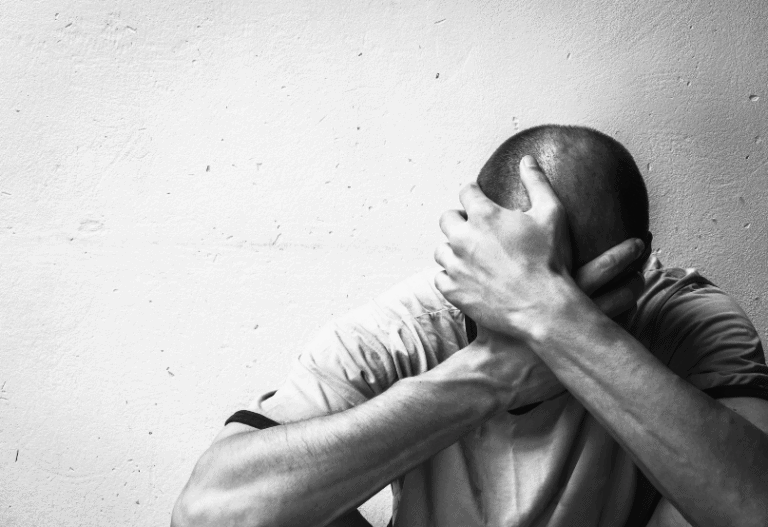
The day after relapse can feel overwhelming—filled with guilt, shame, confusion, or even fear. But silence after relapsing can exacerbate feelings of shame and guilt. This moment can also be a powerful turning point. Whether you stumbled or stayed sober, today is an opportunity to reconnect with your goals, your support system, and your path forward.

Understanding What Happens After Relapse
Experiencing a relapse does not mean failure. Addiction is a chronic condition, and setbacks can happen. It’s important to not give into to the silence after relapsing. What matters most is how you respond after relapse.
You may be feeling:
- Shame or embarrassment
- Physical discomfort or hangover symptoms
- Fear about what comes next
- Disappointment in yourself
These feelings are valid—but they don’t define you. In fact, the period after relapse is often where some of the most meaningful growth can occur. It’s a moment to pause, reflect, and recommit.
Step One: Practice Immediate Self-Compassion
The first and most important step after relapse is to be kind to yourself. It may feel counterintuitive, especially if your inner critic is loud right now. But shame does not fuel recovery—compassion does.
Instead of saying:
- “I messed everything up”
Try reframing:
- “I had a setback, and I can learn from this”
Self-compassion doesn’t excuse the relapse—it empowers you to move forward without being stuck in it.
Step Two: Prioritize Your Physical and Mental Health
The day after relapse, your body and mind may need extra care.
Focus on:
- Hydration and nourishing food
- Rest and sleep
- Gentle movement, like a walk
- Grounding practices such as deep breathing or meditation
Physically stabilizing yourself can help reduce emotional overwhelm and give you the clarity needed to take your next steps.
Step Three: Reach Out for Support
Isolation can deepen the impact after relapse, while connection can help you recover more quickly.
Consider reaching out to:
- A trusted friend or family member
- A sponsor or accountability partner
- A therapist or counselor
- A recovery group or meeting
Speaking honestly about what happened can feel difficult—but it’s one of the most powerful ways to break the cycle. You don’t have to navigate the aftermath alone.

Step Four: Reflect Without Judgment
Reflection is a key part of growth after relapse, but it should come from curiosity—not criticism.
Ask yourself:
- What triggered me yesterday?
- Were there warning signs I ignored?
- What could I do differently next time?
Saint Patrick’s Day often involves environmental triggers—social pressure, alcohol availability, or emotional vulnerability. Understanding your personal triggers can help you build stronger coping strategies moving forward.
Step Five: Reaffirm Your Commitment to Sobriety
The most important truth after relapse is that you can start again—immediately.
Sobriety is not erased by one moment. Your progress still matters. Your efforts still count.
Reaffirm your commitment by:
- Setting a clear intention for today
- Writing down your “why” for recovery
- Re-engaging in your recovery routine
Recovery is built one day at a time—and today is a new day.
Creating a Plan to Move Forward After Relapse
Once you’ve stabilized emotionally and physically, it’s time to look ahead. The period after relapse is an opportunity to strengthen your recovery plan.
Revisit Your Triggers
Identify specific situations that led to your relapse. Was it:
- Social pressure at a party?
- Emotional stress?
- Lack of preparation?
Strengthen Your Boundaries
Moving forward, you may need to:
- Avoid certain environments temporarily
- Set clearer limits with others
- Have an exit plan for triggering situations
Build a Relapse Prevention Strategy
A strong plan includes:
- Daily recovery practices
- Regular support meetings
- Coping skills for cravings
- Emergency contacts
The goal is not perfection—it’s preparedness.

If You Stayed Sober: Reaffirming Your Recovery
If you made it through Saint Patrick’s Day without relapsing, that is something to be proud of. But the day after a high-risk event is still an important time to reflect and strengthen your foundation.
Even if you didn’t experience a relapse, you can still benefit from examining your experience.
Acknowledge Your Strength
Take a moment to recognize what you did well:
- Did you avoid triggering situations?
- Did you lean on support?
- Did you use healthy coping strategies?
These are wins worth celebrating.
Reflect on Challenges
Ask yourself:
- Were there moments where I felt tempted?
- What helped me stay grounded?
- What can I do to make future events easier?
Growth doesn’t only happen after relapse—it also happens when you successfully navigate difficult situations.
Reinforce Your Commitment
Use today as an opportunity to deepen your recovery:
- Attend a meeting
- Connect with your support network
- Set intentions for the weeks ahead
Staying sober through a challenging holiday is a powerful reminder that recovery is possible.
Letting Go of Shame After Relapse
One of the biggest barriers people face after relapse is shame. It can whisper things like:
- “You’ve ruined everything”
- “You’ll never get this right”
- “What’s the point of trying again?”
These thoughts are not facts—they’re part of the cycle of addiction.
Shame keeps people stuck. But recovery requires movement, honesty, and courage.
Letting go of shame means:
- Accepting that relapse can be part of the process
- Choosing growth over self-punishment
- Remembering that your worth is not defined by your mistakes
You are still deserving of recovery. You are still capable of change.
Turning a Setback Into a Comeback
The period after relapse can become a powerful catalyst for transformation. Many individuals find that their strongest recovery begins after a setback—because it brings clarity, motivation, and renewed commitment.
Instead of seeing relapse as the end, consider it a signal:
- Something in your recovery plan needs adjustment
- Additional support may be needed
- Deeper healing work may be required
This perspective shifts relapse from failure to feedback.
When to Seek Professional Help
If you’re struggling to get back on track after relapse, professional support can make a significant difference.
You may benefit from treatment if:
- Relapse has led to continued use
- Cravings feel overwhelming
- You’re experiencing emotional distress
- Your support system feels insufficient
At Oasis Recovery Center, we understand that the time after relapse is critical. Our team provides compassionate, evidence-based care designed to help you regain stability and rebuild your recovery.
You Are Not Starting Over—You Are Starting From Experience
It’s easy to feel like you’ve lost everything after relapse, but that’s not the reality.
You are not starting from scratch—you are starting from experience.
You have:
- Insight into your triggers
- Awareness of your needs
- Knowledge of what recovery requires
Every step you’ve taken still matters. Every lesson you’ve learned is still with you.
Moving Forward, One Day at a Time
Whether you relapsed or remained sober this Saint Patrick’s Day, today is what matters most.
The journey after relapse is not about perfection—it’s about persistence.
Focus on:
- What you can do today
- Who you can reach out to
- How you can take one step forward
Recovery is built in moments like this—not in the absence of struggle, but in the decision to keep going despite it.
Hope After Relapse
If you’re facing the day after relapse, know that hope is not lost. This moment does not define your future—your next choice does.
And if you remained sober, let this be a reminder of your strength and the progress you’ve made.
No matter where you are today, you deserve support, compassion, and the opportunity to heal.
At Oasis Recovery Center, we’re here to walk alongside you—whether you’re rebuilding after relapse or continuing to strengthen your sobriety.
You can begin again today. And that is more than enough.

Take the Next Step After Relapse
If you’re finding yourself struggling after relapse, know that you don’t have to navigate this moment alone. What you do next matters—and reaching out for support can make all the difference.
At Oasis Recovery Center, we understand how heavy the day after relapse can feel. The guilt, the uncertainty, the fear of starting over—it can be overwhelming. But this isn’t the end of your story. It’s an opportunity to reconnect with your recovery and take a meaningful step forward with a team that truly cares.
Our compassionate professionals are here to meet you exactly where you are—whether you need help stabilizing after a relapse, strengthening your relapse prevention plan, or simply talking through what happened in a safe, judgment-free space. We offer personalized, evidence-based treatment designed to support long-term healing, not just short-term solutions.
And if you didn’t relapse but found Saint Patrick’s Day challenging, that matters too. Recovery isn’t just about avoiding substances—it’s about building a life that feels sustainable, supported, and fulfilling. We’re here to help you continue growing, strengthening your foundation, and preparing for whatever comes next.
You deserve support. You deserve understanding. And most importantly, you deserve the chance to keep going.
Don’t wait to take that next step. Reach out to Oasis Recovery Center or call us today and let us help you move forward with clarity, confidence, and hope—no matter where you are after relapse.
Your recovery is still yours. Let’s keep building it together.