Kratom Withdrawals: What Tennessee’s Ban Means for Your Health and Recovery
As conversations around public health and substance use continue to evolve, recent legislative changes are drawing attention to substances that often exist in a gray area—one of the most notable being kratom.
With the state of Tennessee moving toward banning kratom sales, many individuals are left with important questions: What is kratom? Why is it being banned? And perhaps most importantly, what should you expect if you experience kratom withdrawals?
At Oasis Recovery Center, we believe in meeting people with clarity, compassion, and evidence-based insight. If you or someone you love has been using kratom, understanding how it affects the brain and body—and how kratom withdrawals can impact your well-being—is an essential step toward making informed, empowered decisions.
What Is Kratom?
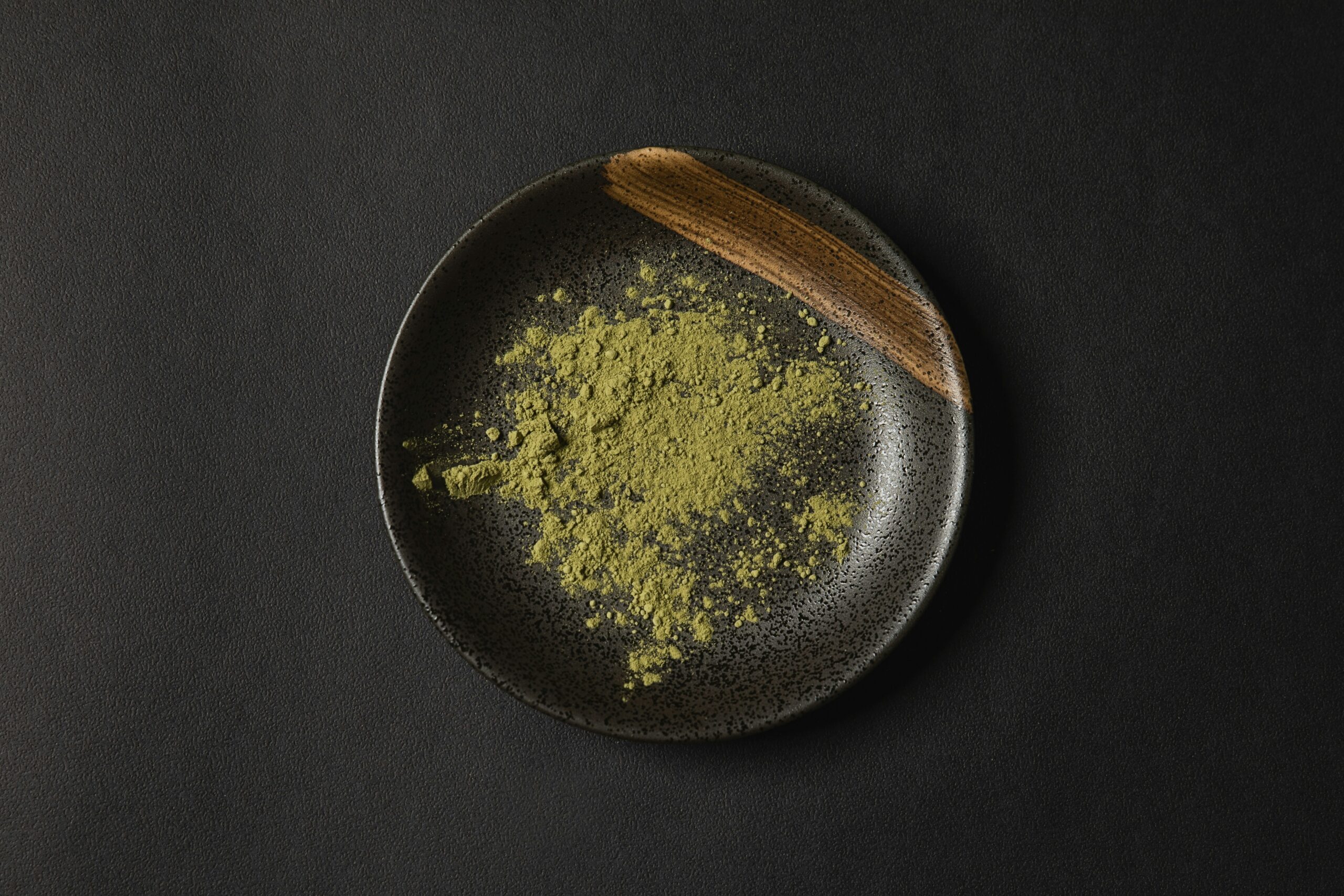
Kratom is a plant-derived substance made from the leaves of the Mitragyna speciosa tree, native to Southeast Asia. Traditionally, it has been used in small doses for its stimulant-like effects and in higher doses for its sedative and pain-relieving properties.
In recent years, kratom has become increasingly popular in the United States. It is often marketed as a “natural” alternative for managing pain, improving mood, or even easing opioid withdrawal symptoms. However, despite its availability in smoke shops, gas stations, and online retailers, kratom is far from risk-free.
How Does Kratom Work in the Brain?
To understand kratom withdrawals, it’s important to first understand how the substance interacts with your brain.
Kratom contains active compounds—primarily mitragynine and 7-hydroxymitragynine—that bind to opioid receptors in the brain. These are the same receptors affected by substances like morphine and oxycodone. While kratom may produce milder effects compared to traditional opioids, it still influences the brain’s reward system and can lead to dependence over time.
At lower doses, kratom can act as a stimulant, increasing energy and alertness. At higher doses, it produces opioid-like effects such as relaxation, pain relief, and euphoria. This dual nature can make it especially unpredictable and, for some individuals, habit-forming.
Why Is Tennessee Banning Kratom?
Tennessee’s decision to ban kratom reflects growing concerns about its safety, regulation, and potential for misuse. While kratom remains legal in some states, others have moved to restrict or prohibit its sale due to:
- Lack of FDA approval or regulation
- Reports of contamination and inconsistent potency
- Increasing cases of dependence and kratom withdrawals
- Rising emergency room visits linked to kratom use
- Potential interactions with other substances or medications
The upcoming ban is intended to reduce harm and protect public health—but it also means that individuals who regularly use kratom may soon face abrupt discontinuation, which can lead to uncomfortable or even distressing withdrawal symptoms.
What Are Kratom Withdrawals?
Kratom withdrawals occur when someone who has developed a dependence on kratom reduces or stops their use. Because kratom affects opioid receptors, its withdrawal symptoms can resemble those associated with mild to moderate opioid withdrawal.
The severity of kratom withdrawals can vary depending on factors such as frequency of use, dosage, duration of use, and individual physiology.
Common Symptoms of Kratom Withdrawals
Kratom withdrawals can impact both the body and mind. While symptoms may not always be as intense as those associated with stronger opioids, they can still be challenging—especially without support.
Physical Symptoms
- Muscle aches and joint pain
- Sweating and chills
- Nausea and vomiting
- Diarrhea
- Fatigue and low energy
- Headaches
- Tremors

Psychological and Emotional Symptoms
- Anxiety and restlessness
- Irritability
- Depression or low mood
- Insomnia or disrupted sleep
- Difficulty concentrating
- Cravings for kratom
These symptoms can begin within 12 to 24 hours after the last use and may last for several days to a week. In some cases, lingering emotional symptoms—such as anxiety or low mood—may persist longer.
The Risks of Unmanaged Kratom Withdrawals
While kratom is often perceived as a “safer” alternative to other substances, kratom withdrawals can still pose real risks—especially when experienced alone or without guidance.
Some of the potential challenges include:
- Relapse Risk: Discomfort from withdrawal symptoms can lead individuals to resume use in order to find relief.
- Mental Health Strain: Anxiety, depression, and irritability can intensify during withdrawal.
- Sleep Disruption: Poor sleep can worsen both physical and emotional symptoms.
- Polysubstance Use: Some individuals may turn to other substances to cope with withdrawal symptoms.
With Tennessee’s ban on kratom sales, these risks may become more pronounced for individuals who are unprepared for the transition.
Why a Compassionate Approach Matters
At Oasis Recovery Center, we understand that substance use is rarely about the substance alone. It’s often connected to deeper experiences—stress, trauma, chronic pain, or a desire for relief.
If you’re experiencing kratom withdrawals, it’s important to approach yourself with compassion rather than judgment. Your body is working to restore balance, and that process takes time.
Recovery is not about forcing change overnight—it’s about creating a supportive environment where healing can unfold at a pace that feels sustainable.
Navigating Kratom Withdrawals Safely
If you are preparing to stop using kratom due to Tennessee’s upcoming ban—or simply because you’re ready for a change—there are steps you can take to support your body and mind through the process.
1. Seek Professional Guidance
Medical and clinical support can help you safely navigate kratom withdrawals. A team of experienced professionals can monitor your symptoms, provide comfort-focused care, and help reduce the risk of complications.
2. Stay Hydrated and Nourished
Withdrawal can take a toll on your body. Drinking plenty of water and maintaining a balanced diet can support your energy levels and overall well-being.
3. Prioritize Rest
Sleep may be difficult during withdrawal, but creating a calm, consistent routine can help your body gradually reestablish healthy sleep patterns.
4. Engage in Gentle Movement
Activities like walking, stretching, or yoga can help reduce tension, improve mood, and support your body’s natural recovery process.
5. Build a Support System
Whether it’s trusted friends, family members, or a recovery community, having people you can lean on can make a meaningful difference during kratom withdrawals.
The Role of Holistic and Individualized Care
Every person’s experience with kratom—and with kratom withdrawals—is unique. That’s why individualized care is so important.
At Oasis Recovery Center, we take a holistic approach that integrates evidence-based therapies with supportive, wellness-focused practices. This may include:
- Individual and group therapy
- Mindfulness and meditation practices
- Life skills development
- Outdoor and nature-based activities
- Ongoing support and community connection
Our goal is not just to help you move through withdrawal—but to support you in building a life that feels stable, fulfilling, and aligned with your values.
What Tennessee’s Kratom Ban Means for You
The upcoming ban on kratom sales in Tennessee is more than a policy change—it’s a turning point for many individuals who have relied on the substance.
While this shift may feel uncertain or even overwhelming, it can also be an opportunity. An opportunity to step back, reassess your relationship with substances, and explore new pathways toward healing and balance.
If you’re concerned about kratom withdrawals, you’re not alone—and you don’t have to navigate this process on your own.
Moving Forward with Support and Clarity
Change can be difficult, especially when it happens quickly. But within that change, there is also the potential for growth, clarity, and renewed direction.
Kratom withdrawals may feel uncomfortable—but they are also temporary. With the right support, your body and mind can regain equilibrium, and you can begin to rediscover what it feels like to live with greater stability and intention.
You Can Find Strength to Overcome Kratom Withdrawals
As Tennessee moves forward with banning kratom sales, understanding the realities of kratom withdrawals is more important than ever. While kratom may be marketed as a natural or low-risk substance, its impact on the brain and body can lead to dependence—and stopping its use can bring real challenges.
If you or someone you love is facing kratom withdrawals, know that support is available. Healing is possible. And you deserve care that meets you where you are.
Find Support at Oasis Recovery Center
If you’re navigating kratom withdrawals or preparing for the upcoming changes in Tennessee, Oasis Recovery Center is here to help. Our compassionate, experienced team understands the complexities of substance use and recovery—and we’re committed to providing care that is tailored to your unique needs.
Whether you’re seeking guidance, structure, or simply a safe space to begin again, we’re here to walk alongside you every step of the way.
Reach out to Oasis Recovery Center today to learn more about how we can support you through kratom withdrawals and beyond. Your path forward doesn’t have to be uncertain—it can be supported, intentional, and rooted in lasting transformation.
You Don’t Have to Navigate Kratom Withdrawals Alone
If you’re facing kratom withdrawals—or feeling uncertain about what Tennessee’s upcoming ban may mean for you—know this: you are not alone, and you don’t have to figure it out by yourself.
Kratom withdrawals can feel physically draining and emotionally overwhelming. From restlessness and sleep disruption to anxiety and low mood, the experience can make it difficult to see a clear path forward.
But these symptoms are not a reflection of failure—they’re a sign that your body is working to restore balance. And with the right support, that process can become more manageable, more comfortable, and far less isolating.
At Oasis Recovery Center, we take a deeply individualized and compassionate approach to healing. We understand that kratom use often begins as a way to cope—whether with stress, pain, or emotional discomfort. That’s why our focus isn’t just on helping you move through kratom withdrawals—it’s on helping you build a life that feels stable, supported, and meaningful on the other side.
Our team provides a blend of evidence-based care and holistic support designed to meet you where you are. Through personalized treatment planning, therapeutic guidance, and wellness-focused services, we help you safely navigate withdrawal while addressing the underlying factors that may have contributed to substance use in the first place.
You’ll find more than just clinical care here—you’ll find connection. From group support and one-on-one therapy to mindfulness practices and nature-based experiences, our environment is designed to help you reconnect with yourself in a way that feels grounded and sustainable.
If the idea of kratom withdrawals feels overwhelming, let this be your reminder: you don’t have to wait until things get worse to reach out. Whether you’re just starting to consider a change or you’re already experiencing withdrawal symptoms, support is available right now.
Take the first step today. Reach out to Oasis Recovery Center and speak with a member of our team. We’re here to listen, to guide, and to help you move forward with clarity and confidence.
Your next chapter is still yours to write—and we’re here to support you every step of the way.

You Don’t Have to Face Kratom Withdrawals Alone
If you’re feeling uncertain about Tennessee’s upcoming kratom ban—or already experiencing kratom withdrawals—know that you’re not alone in this. What you’re feeling is valid, and there is a path forward with support, clarity, and care.
Kratom withdrawals can be uncomfortable, both physically and emotionally. You may notice changes in your energy, your mood, or your ability to sleep. You might feel restless, anxious, or simply not like yourself.
These experiences can make it difficult to navigate daily life, especially if you’re trying to manage everything on your own. But these symptoms are not permanent—they’re part of your body working to regain balance.
At Oasis Recovery Center, we understand that kratom use often begins as a way to cope. Whether it started as a tool for managing pain, stress, or emotional overwhelm, your experience matters—and it deserves to be met with compassion, not judgment. Our goal is not just to help you get through kratom withdrawals, but to support you in building something more stable and sustainable on the other side.
Our approach is centered around individualized care. That means we take the time to understand your unique situation, your goals, and your challenges. Through a combination of evidence-based therapies and holistic support, we help you safely navigate withdrawal while addressing the deeper factors that may be contributing to substance use.
Here, you’ll find more than just treatment—you’ll find connection. From one-on-one support to group therapy and wellness-focused practices, we create an environment where you can begin to feel grounded again. Healing doesn’t have to happen all at once. It can happen step by step, with the right people beside you.
If kratom withdrawals feel overwhelming, let this be your reminder that help is available right now. You don’t have to wait for things to get worse before reaching out.
Take the first step today. Contact Oasis Recovery Center or give us a call to speak with a member of our team. We’re here to listen, to support, and to help you move forward with confidence.
You deserve a future that feels clear, balanced, and truly your own—and we’re here to help you get there.